Professional soffit and fascia repair is essential when homeowners notice peeling paint, water stains, or visible rot along their roofline. Identifying these signs early prevents moisture from entering the attic and causing structural damage; common solutions include replacing localized rot or installing new materials to improve ventilation.
While most homeowners focus on shingles and gutters, the components tucked beneath your roofline often suffer the most from Utah’s extreme seasonal shifts. Peeling paint, sagging boards, or unwanted pests nesting in your eaves are more than just aesthetic nuisances; they are early warnings of potential structural failure. Neglecting these areas compromises your attic ventilation and leaves your rafters vulnerable to moisture damage. In this guide, we will break down the critical roles of soffit and fascia systems for local properties. You will learn how to identify early signs of rot, understand the vital connection between venting and winter attic health, and determine when a simple repair suffices versus when a full replacement is necessary. We also provide practical insights on budgeting and selecting a professional team in Fillmore to ensure your home remains protected against the elements.
Understanding the Anatomy of Your Roofline: Soffit and Fascia Defined
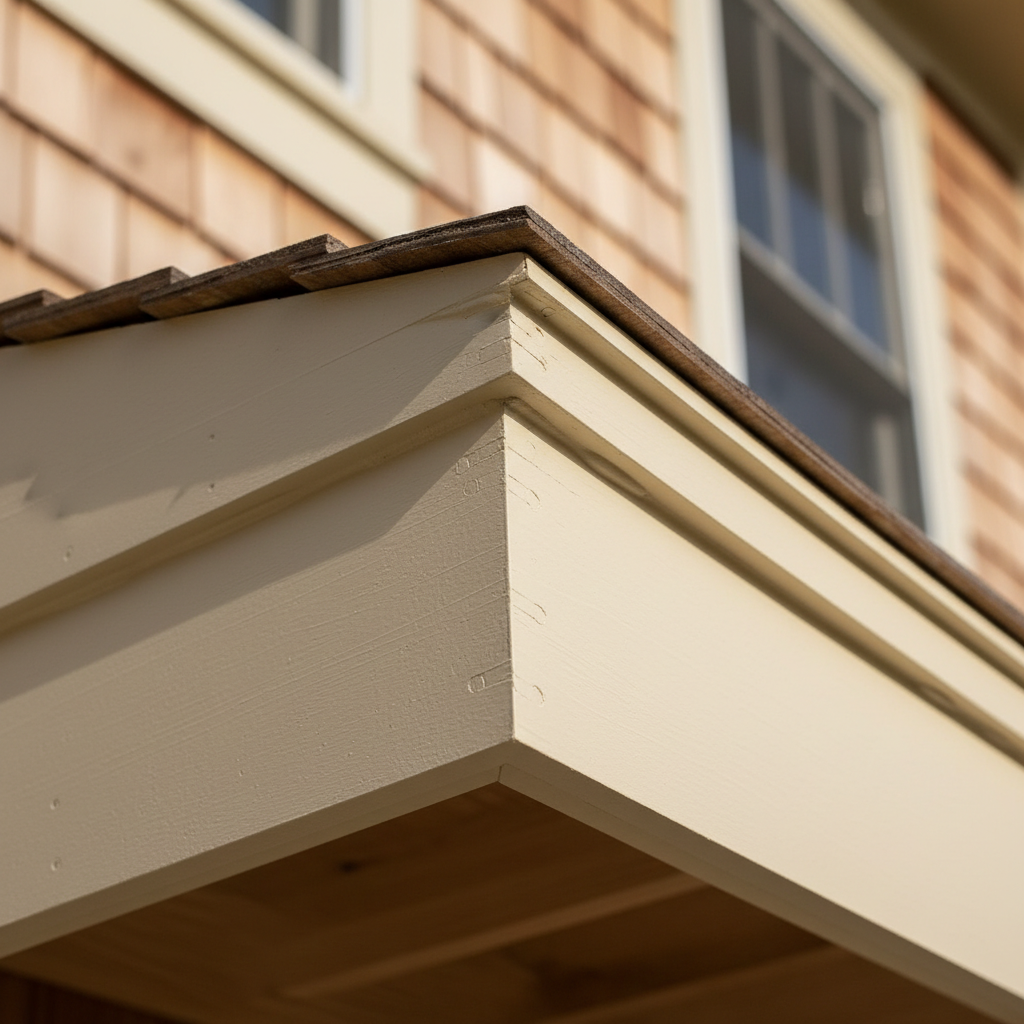
Most homeowners recognize the main components of their house like siding or shingles, but the architectural details where the roof meets the wall are equally critical to long-term structural health. The fascia is the visible vertical board that runs along the edge of your roofline. It serves as the primary mounting surface for your gutters and acts as a protective cap for the ends of the rafters. Because it faces the elements directly, it is often the first place homeowners notice issues like peeling paint or soft spots requiring reliable exterior repairs.
The soffit is the horizontal panel tucked underneath the roof’s overhang. It bridges the gap between the exterior siding and the fascia board. While it is less visible from the street, its function is vital for the longevity of your home. The soffit provides the primary source of intake ventilation for the attic space; this allows fresh air to enter the roof system and push out heat and moisture that would otherwise accumulate and cause damage.
In the Fillmore area, we typically work with three main materials, each offering different levels of durability and maintenance requirements.
Material | Characteristics | Maintenance Level |
|---|---|---|
Wood | Traditional look; provides natural strength but is susceptible to rot and pests if not regularly sealed. | High |
Aluminum | Extremely durable and weather-resistant; often used as a wrap to protect structural wood from the intense Utah sun. | Low |
Vinyl | Cost-effective and entirely rot-proof; usually features built-in perforations for optimal venting efficiency. | Low |
Understanding these components is the first step in identifying when you need soffit and fascia repair to maintain your property. Proper installation ensures these two elements work together to keep water away from your rafters and maintain a balanced attic temperature.
Why Soffit and Fascia Systems are Vital for Central Utah Homes
In Millard County, the exterior of a building serves as a frontline defense against some of the most dramatic weather shifts in the state. Our region experiences scorching summer afternoons followed by freezing winter nights where snow accumulation on roofs is significant. This cycle of extreme heat and heavy moisture puts immense physical stress on your roofline. When temperature fluctuations cause materials to expand and contract, poorly maintained components can buckle or pull away, necessitating professional exterior services to restore the seal.
A properly functioning system is the most effective tool for preventing ice dams. In a poorly ventilated attic, heat from the living space rises and melts the underside of snow sitting on the roof. That water flows to the cold eaves and refreezes, creating a ridge of ice that pushes water back under the shingles. Efficient soffit intake keeps the attic temperature consistent with the outdoors, stopping this cycle before it damages the roof deck.
Beyond weatherproofing, these components act as a barrier against local pests. Utah wasps, starlings, and rodents are opportunistic; they actively search for small gaps or soft spots in wood to nest inside your attic. Timely soffit and fascia repair ensures these entry points remain sealed, protecting your home from the internal damage and sanitation issues that come with infestations.
Top 6 Signs You Need Soffit and Fascia Repair
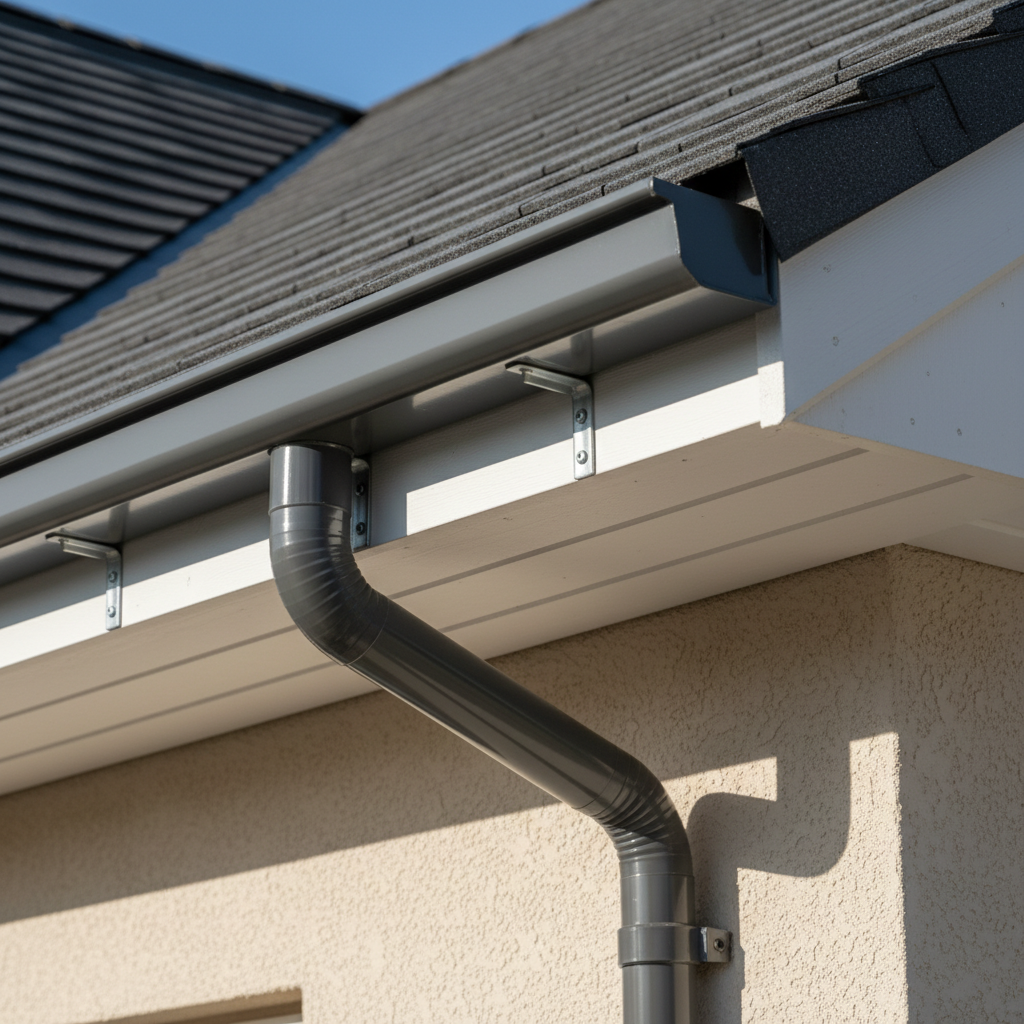
Identifying the early warning signs of deterioration allows homeowners to address issues before they compromise the rafters or internal attic space. Because these components are often high above eye level, damage can go unnoticed until it becomes a significant structural problem. Regular inspections, especially after the heavy snowmelt periods common in Millard County, are essential for maintaining reliable exterior repairs.
Peeling or Bubbling Paint: This is rarely just a cosmetic issue. When paint bubbles or flakes away, it usually indicates that moisture is trapped within the wood. In Fillmore, the intense summer sun can bake this trapped moisture, causing the wood to warp and decay from the inside out.
Sagging or Pulled Gutters: The fascia board serves as the structural anchor for your gutter system. If you notice your gutters leaning forward or pulling away from the roofline, the wood is likely rotting and can no longer support the weight of the water and debris.
Visible Rot and Soft Spots: Look for dark, discolored patches or areas where the wood appears crumbly. You can often identify these spots by looking for "sponginess" or gaps where the horizontal soffit meets the vertical fascia.
Pest Activity: Starlings, wasps, and rodents are quick to exploit small cracks or soft wood. If you see nests near the eaves or hear scratching sounds in the attic, your soffit and fascia barrier has likely been breached.
Attic Mold and Condensation: If the intake vents in your soffits are blocked or the material is saturated, moisture will accumulate in your attic. This leads to mold growth on the underside of the roof deck and a distinct musty odor.
Spiking Energy Bills: When ventilation is restricted, your attic traps heat during the summer months. This creates a thermal bridge that forces your HVAC system to work significantly harder to keep the home cool.
Ignoring these signals often leads to extensive structural roof damage, as moisture eventually reaches the rafter tails and roof decking. Prioritizing timely soffit and fascia repair ensures that these small warning signs do not escalate into a full-scale restoration project. If you notice any of these symptoms, professional exterior services are necessary to evaluate the extent of the moisture infiltration and restore the integrity of your roofline.
The Link Between Soffit Vents and Attic Ventilation in Winter
Many homeowners assume attic ventilation is only for the summer heat, but in Central Utah, winter airflow is arguably more critical. Proper ventilation relies on a specific cycle of air movement known as the stack effect. Fresh, cold air enters through the soffit vents at the lowest point of the roofline. As this air moves upward, it displaces the warmer, moisture laden air already in the attic, pushing it out through the ridge or gable vents at the peak. When these intake points are blocked by insulation, debris, or a system in need of soffit and fascia repair, this cycle breaks down.
Without consistent airflow, heat escaping from your living quarters becomes trapped against the underside of the roof deck. This creates a thermal imbalance where the upper portion of the roof is warm enough to melt snow, while the eaves, supported by the fascia, remain at freezing temperatures. The resulting runoff refreezes at the edge, forming an ice dam. These ice ridges do more than just stress your gutters; they force water upward under the shingles, leading to roof deck rot and saturated insulation that loses its R-value.
Maintaining a cold roof through effective venting also preserves the physical properties of your roofing materials. Excessive attic heat during the winter can bake shingles from the inside out, causing premature granule loss and shingle curling. By ensuring your soffit vents remain clear and functional, you protect the structural integrity of the entire roof assembly. If you notice frost buildup on the underside of your roof sheathing or significant icicles forming behind the gutter line, it is time to seek professional exterior services to evaluate your intake system and restore proper attic physics.
Repair vs. Replacement: When to Call a Professional
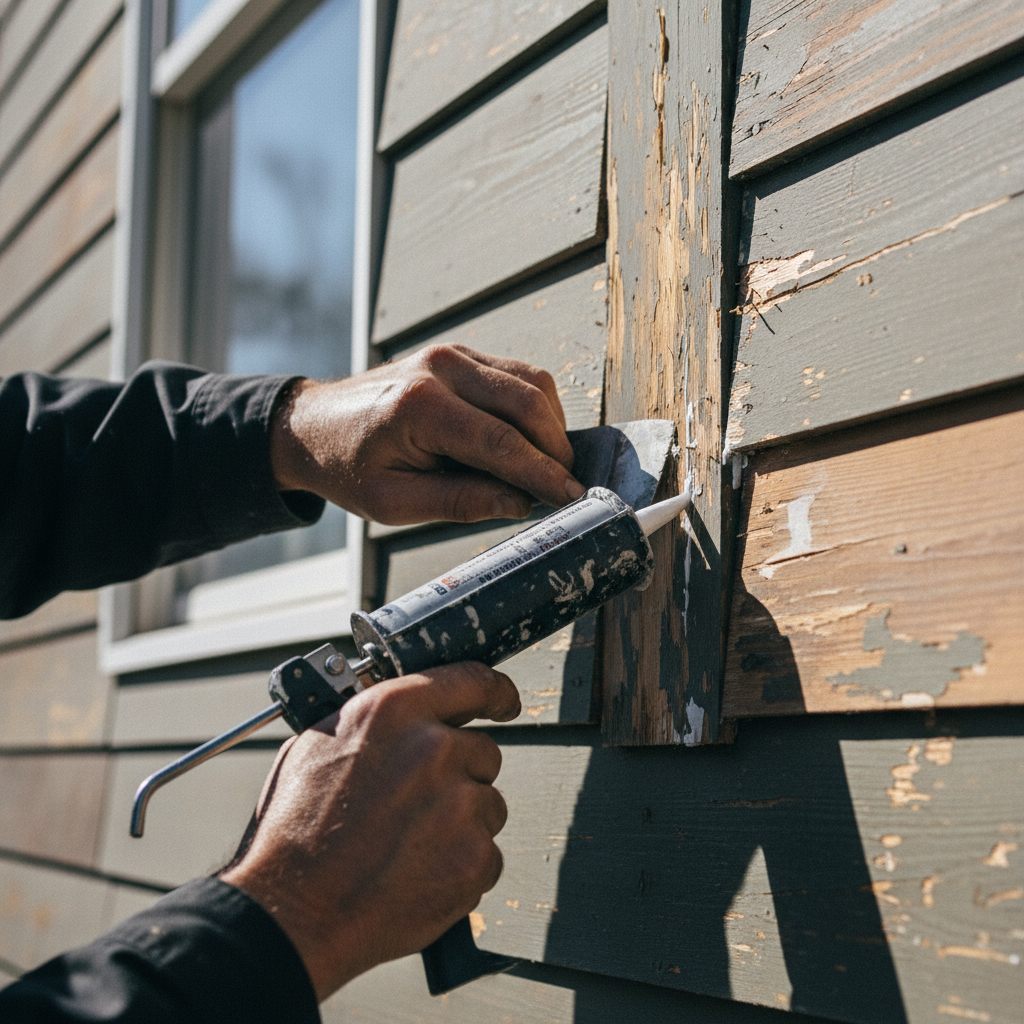
Deciding between a targeted fix and a full overhaul requires a careful assessment of the underlying wood's health. Localized soffit and fascia repair is often the most practical choice for isolated issues, such as a single rotted board caused by a clogged downspout or a small section of peeling paint. If the structural integrity of the wood remains intact, we can replace specific segments and reseal the area to prevent future moisture penetration. This approach works well when the damage is caught early and the rest of the system is still performing effectively.
Full replacement becomes necessary when deterioration is widespread or when the fascia board has softened to the point that it can no longer hold gutter fasteners. If your gutters are sagging despite having tight screws, the substrate is likely compromised. This is also the ideal time to transition from high-maintenance wood to more durable materials suited for the Millard County climate.
Consideration | Repair Suitability | Replacement Suitability |
|---|---|---|
Damage Extent | Isolated to one or two boards | Widespread rot or multiple failures |
Gutter Integrity | Stable and firmly attached | Pulling away or sagging |
Maintenance Goals | Maintaining existing wood | Moving to low-maintenance materials |
Cost Priority | Short-term budget focus | Long-term asset protection |
For many Fillmore homeowners, we recommend installing aluminum fascia wrap during a replacement. The intense UV exposure in Central Utah quickly degrades paint on bare wood, leading to cracks and moisture intake. Aluminum wrap acts as a permanent shield, eliminating the need for repainting and providing a clean, finished look. If you are unsure about the condition of your roofline, Contact Gobes Exterior for a detailed evaluation to determine which professional exterior services are right for your property.
Cost Factors and Insurance Considerations for Soffit and Fascia Work
Estimating the budget for soffit and fascia repair involves several variables specific to your property’s layout and selected materials. Linear footage serves as the baseline for most quotes, but the architectural complexity of the home often dictates the final price. A single-story home with straight runs is more straightforward to service than a multi-story residence with steep pitches, complex roof peaks, and limited ladder access.
Material choice also shifts the initial investment and long-term value. While wood is often the most affordable option upfront, it requires frequent painting and sealing to survive the Millard County climate. Aluminum wrapping or composite materials carry a higher initial cost but virtually eliminate future maintenance expenses, making them a popular choice for reliable exterior repairs intended to last decades.
Homeowners frequently ask if these repairs are covered by insurance. Generally, standard policies do not cover gradual rot, peeling paint, or damage caused by maintenance neglect. However, if the damage results from a documented storm event, such as high winds or severe hail, your policy may provide coverage for the restoration. To determine the exact cause and scope of the issue, Contact Gobes Exterior for a detailed evaluation. Our team provides the professional exterior services necessary to document the condition of your roofline, ensuring you have the clear evidence needed for insurance adjusters or property records.
Choosing a Local Expert for Soffit and Fascia Repair in Fillmore
Selecting a contractor in Millard County requires looking beyond basic carpentry. Gobes Exterior brings specialized experience to every soffit and fascia repair project, focusing on technical nuances that general handymen often skip. We prioritize the precise installation of drip edges and metal flashing to ensure water is directed into the gutters rather than seeping behind the boards. Proper sealing at the joints is equally critical, especially given our local temperature swings that can cause inferior materials to separate and invite moisture.
Our team delivers clean finishes that enhance curb appeal while maintaining the structural integrity of your roofline for years to come. We provide these professional exterior services for both residential and commercial properties throughout Fillmore and the surrounding Utah areas. For property owners who demand reliable exterior repairs that balance aesthetics with long term durability, Contact Gobes Exterior to schedule a thorough inspection of your roof’s eaves.
Maintaining your soffit and fascia is essential for protecting your Utah home from the elements. By identifying early signs of wear and choosing the right materials, you can prevent costly structural issues down the road. While some minor fixes are manageable on your own, complex repairs often require a professional touch to ensure long lasting results. If you want expert help securing your home exterior, you can learn more about our team and the quality standards we bring to every local project.