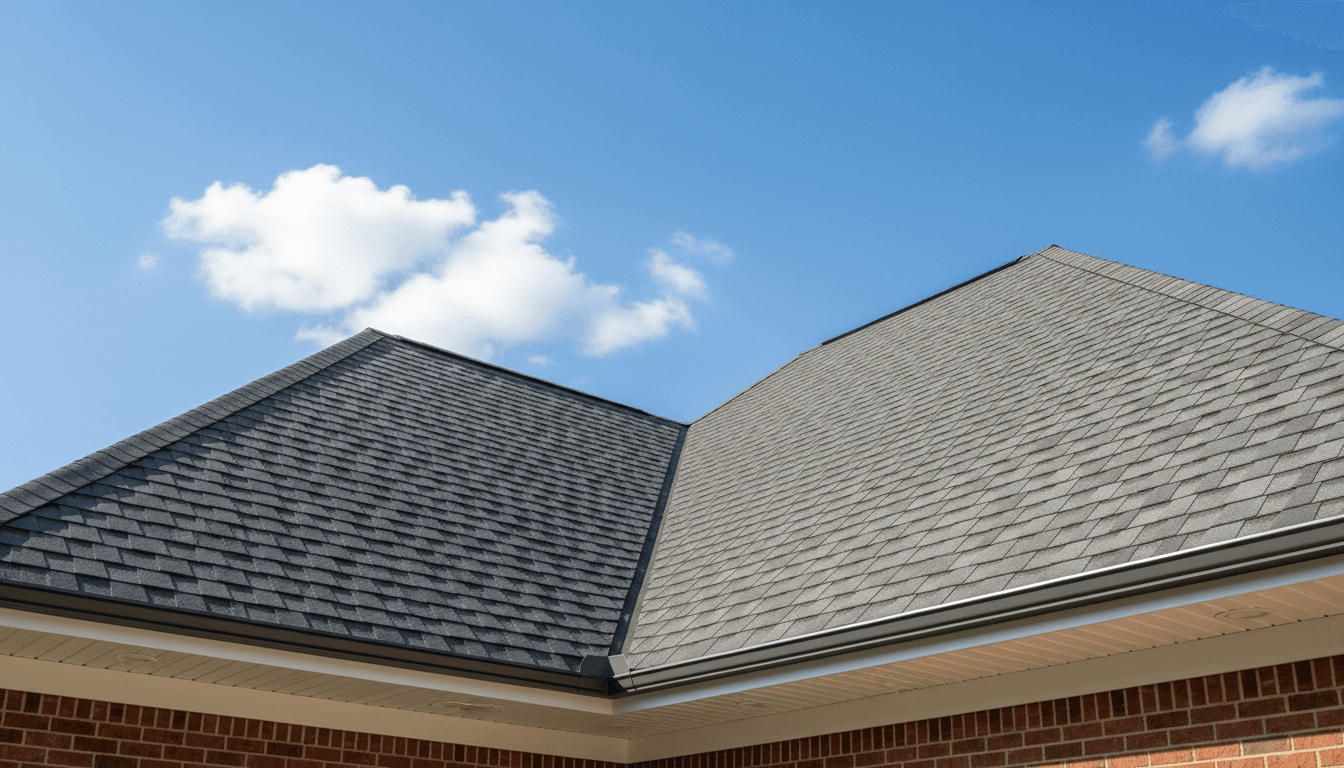
Effective Utah fall exterior maintenance requires a thorough inspection of the roof, gutters, and siding to ensure they are free of debris and damage before the first snowfall. Homeowners should also seal gaps around windows and doors, touch up exterior paint to prevent moisture penetration, and clear drainage systems to avoid ice dams.
Utah's autumn is brief and beautiful, but it often serves as the final warning before the heavy snows of the Wasatch Front arrive. For many homeowners, the first freeze reveals hidden vulnerabilities like ice dams or drafting windows that could have been prevented with a proactive approach. Neglecting exterior maintenance during these cool months often leads to expensive repairs and compromised energy efficiency when temperatures plummet. At Gobes Exterior, we understand that your property is a significant investment that requires expert care to withstand our unique climate. In this guide, we will outline the essential steps to prepare your home for winter. You will learn how to inspect your roofing and gutter systems, evaluate your siding for potential failures, and seal the building envelope against the cold. We will also cover window insulation and hardscape preservation to ensure your property remains protected until spring.
Why Utah Fall Exterior Maintenance is Non-Negotiable
Preparing a home for winter in Central Utah requires more than just clearing the yard. For homeowners in Fillmore and surrounding high-altitude regions, Utah fall exterior maintenance is a non-negotiable step in preserving structural integrity. The local climate is notoriously harsh on building materials, subjecting roofs and siding to intense UV radiation followed by sudden, sharp temperature drops as the season changes. These environmental stresses can weaken even the most durable materials if they are not properly inspected and maintained.
The primary threat during this transition is the freeze-thaw cycle. When daytime temperatures remain mild but nights drop below freezing, moisture trapped in small fissures in your siding or roofing expands as it turns to ice. This physical expansion forces cracks wider, compromising the protective envelope of your home and inviting water damage. Addressing these vulnerabilities now is critical, as fall provides a narrow window of opportunity before the heavy snowpack arrives. Once the snow settles, access for professional exterior services becomes difficult and hazardous. Taking proactive steps ensures that your property remains weather-resistant throughout the sub-zero months ahead.
The Protective Shield: Roof and Gutter System Checkup
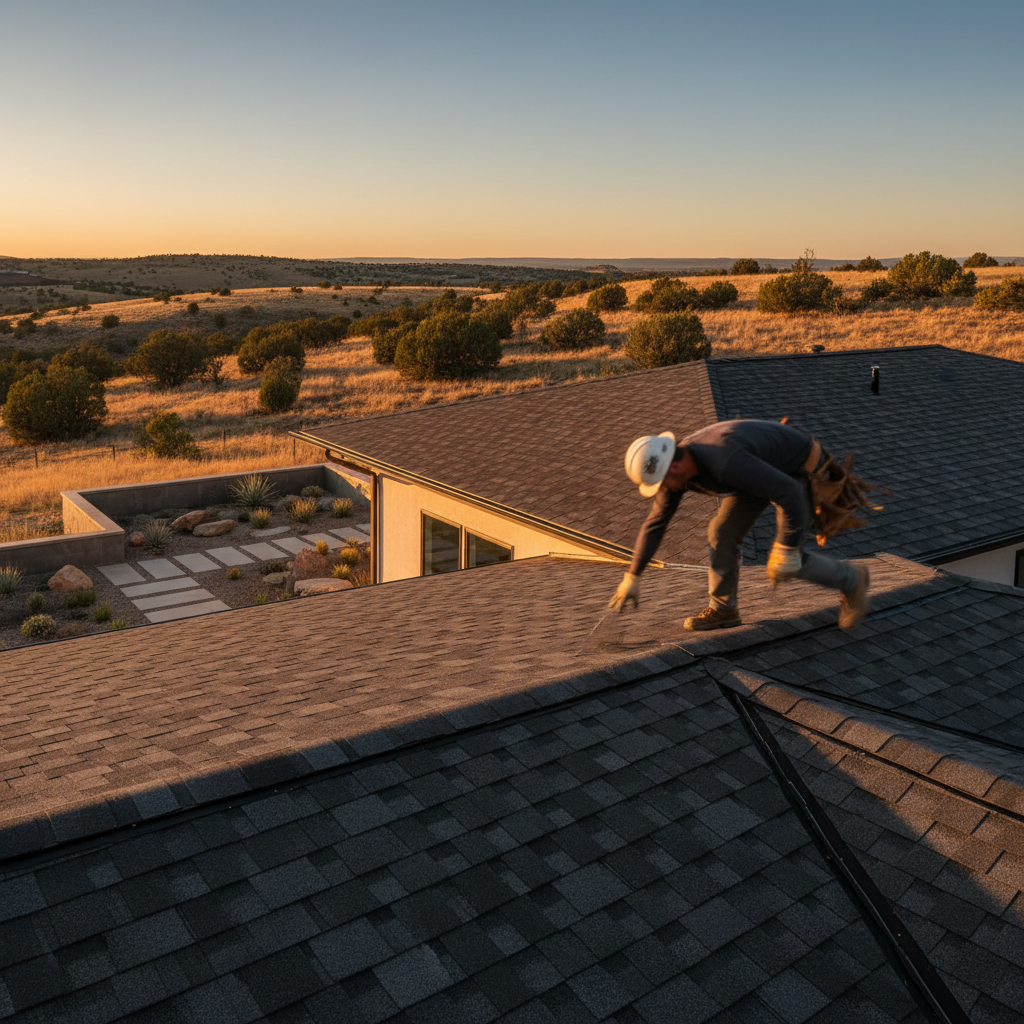
The roof serves as your home's primary barrier against heavy snow loads and freezing rain. Before the first major storm hits, conduct a ground-level or ladder inspection to identify signs of degradation. Look for shingles that are curling at the edges or buckling; these are indications that the material has reached the end of its pliable life cycle. Check for excessive granule loss, which often appears as dark, sandy debris in your gutter troughs. This loss of granules leaves the underlying asphalt vulnerable to Utah's intense UV rays, accelerating the breakdown of your roof. Pay close attention to the flashing around chimneys, skylights, and vents. If the sealant is cracked or the metal is pulling away, it creates a direct path for moisture to enter the attic during the spring thaw.
A functional roof is only as good as the drainage system that carries water away from it. Many homeowners in Fillmore are moving toward seamless gutter installation because these systems eliminate the joints where leaks and debris snags typically occur. During a Utah winter, clogged or improperly pitched gutters are the leading cause of ice dams. When snow melts on the warmer parts of the roof but cannot drain through the gutters, it refreezes at the cold eaves. This creates a block that forces liquid water up under your shingles, destroying underlayment and causing interior ceiling damage.
Inspect the alignment of your gutters to ensure there are no sagging sections where water can pool and freeze. The added weight of trapped ice can pull gutters entirely away from the fascia board. Finally, verify that downspout extensions are intact and directing water at least five feet away from your foundation. This prevents the soil around your home from becoming saturated, which can lead to foundation heaving when the ground freezes. If you notice structural issues during your walk-through, professional exterior services are essential to prevent minor wear from becoming a major winter failure.
Is Your Siding Ready for the Snow?
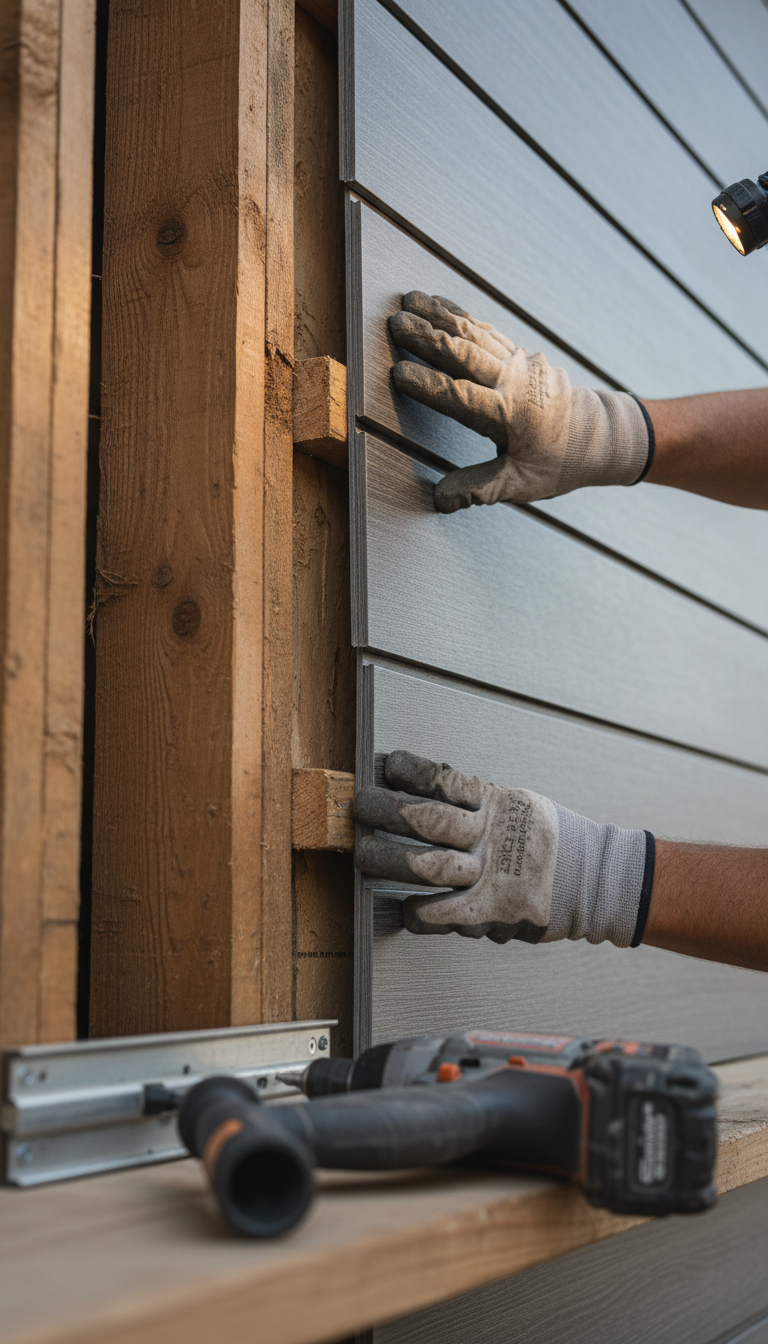
Once your gutters are clear, turn your attention to the vertical envelope of your home. Your siding must be watertight before the first heavy snowfall, as snow sitting against the base of your walls can lead to slow moisture infiltration. Part of a thorough Utah fall exterior maintenance routine involves inspecting vinyl, fiber cement, and wood for specific failure points. When checking vinyl, look for cracks or segments that have become brittle. Fiber cement requires a check for crumbling edges or gaps at the seams where factory seals may have failed.
For homes with wood siding, focus on identifying wood rot early. Use a blunt tool to check for soft spots near the ground or around window frames. If the wood yields to pressure or shows dark, fungal staining, moisture has already breached the surface. Small localized cracks or loose panels often require only expert siding repairs to restore integrity. However, if you notice widespread warping, bubbling, or interior wall dampness, a full replacement may be necessary to protect the structure.
Modern materials used in professional exterior services today are specifically engineered with high UV resistance. This is essential for the Fillmore area, where high altitude sun can degrade inferior materials even on the coldest winter days. If you are unsure about the state of your cladding, contact our team for a consultation to evaluate your home’s readiness.
The Most Overlooked Task: Sealing the Envelope
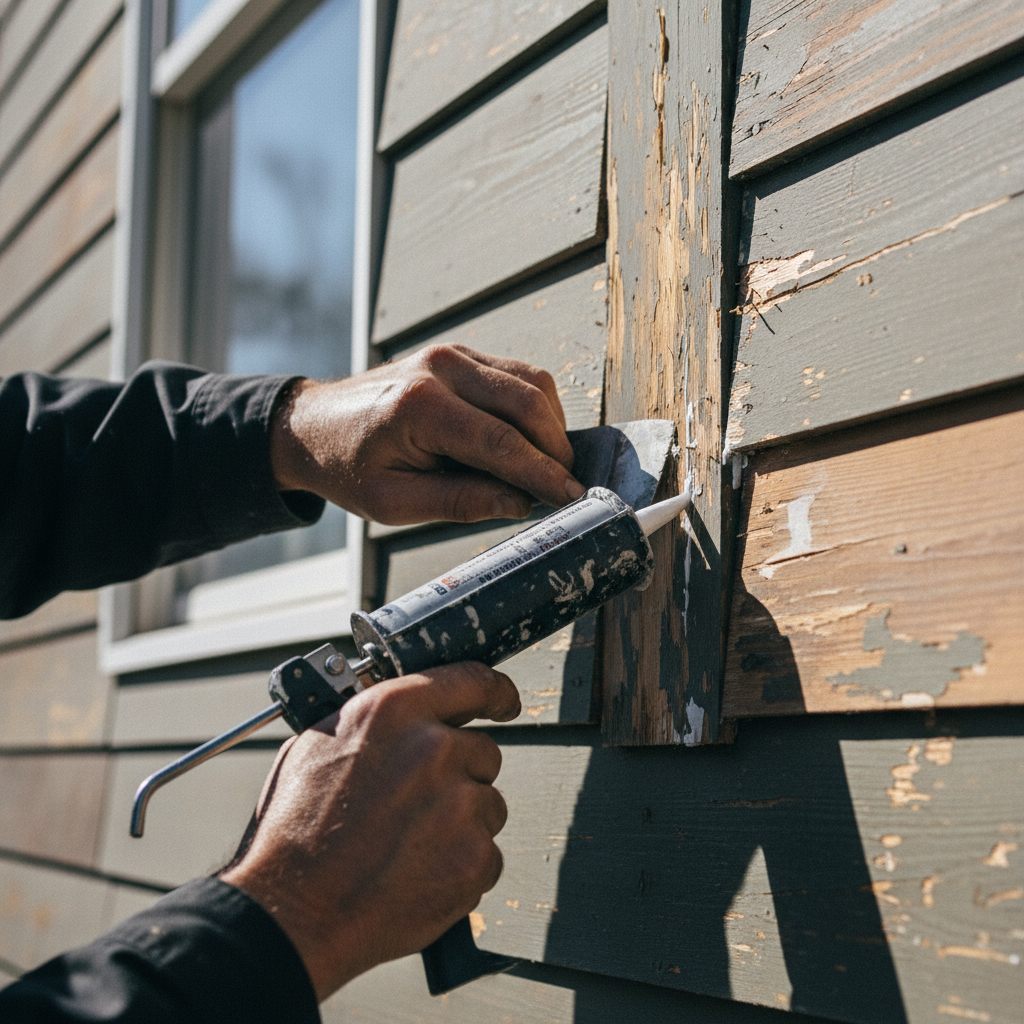
When homeowners ask, "What is the most overlooked home maintenance task?" the answer is almost always the maintenance of the building’s envelope through proper caulking and weatherstripping. While shingles and siding boards receive most of the attention, the small gaps where different materials meet are where the most significant damage often begins. In the context of Utah fall exterior maintenance, these gaps act as thermal bridges that allow expensive heat to escape and, more dangerously, provide a path for moisture to enter during the spring thaw.
As temperatures fluctuate, materials like wood, vinyl, and masonry expand and contract at different rates. This movement eventually pulls old caulk away from the substrate, leaving hairline fractures. During a heavy winter, snow accumulates against these joints. When that snow melts, capillary action pulls the water deep into the wall cavity, leading to mold and structural rot that is often invisible from the outside. Securing these points is vital for protecting your interior drywall and framing.
To ensure a watertight seal, you must apply new high-grade exterior sealant before daytime temperatures consistently drop below 40 degrees Fahrenheit. Most professional grade caulks require these temperatures to cure properly and bond to the surface. Use this checklist to inspect and seal your home:
Perimeter of all window and door frames where the trim meets the siding.
Joints where siding meets corner boards or masonry chimneys.
Gaps around utility penetrations, including electrical conduits, hose bibs, and dryer vents.
The underside of window sills and door thresholds.
Expansion joints in brick or stone veneer.
If you discover large gaps or failing sealant in hard-to-reach areas, professional exterior services can ensure the application is handled with the correct materials for Utah's high UV exposure, preventing the sealant from cracking prematurely under the winter sun.
Windows and Doors: Efficiency and Insulation
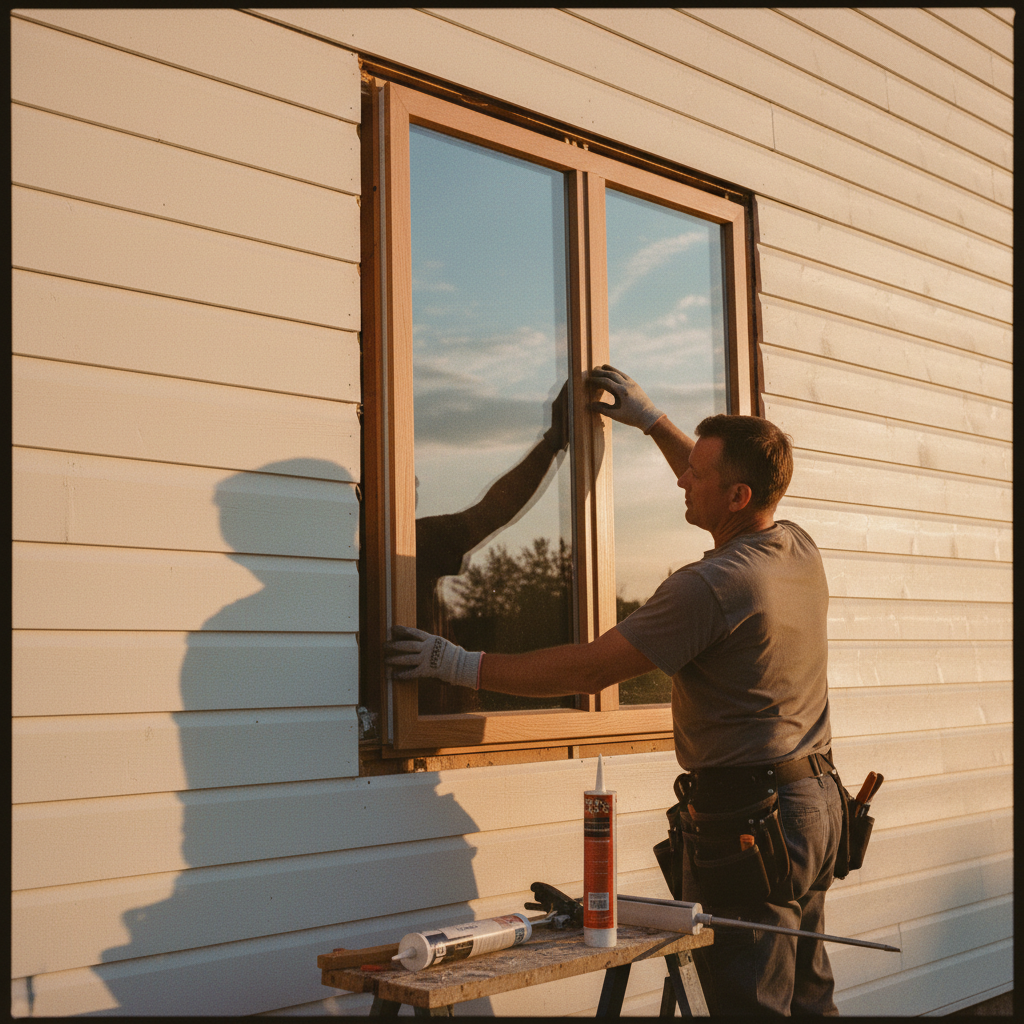
While sealant addresses the perimeter, the performance of the windows and doors themselves dictates your comfort during Fillmore’s sub-zero winter nights. As part of your Utah fall exterior maintenance, checking the mechanical operation of each window is vital. Inspect frames for structural gaps or warping that prevents a tight seal when locked. Older units often become a major source of thermal loss through conduction, which significantly impacts your home’s thermal performance and heating costs when the temperature drops.
Storm doors also require adjustment before the first freeze. Ensure the hydraulic closers are set so the door shuts firmly against the weatherstripping without bouncing. This creates a pocket of insulating air that protects your primary entry door from extreme wind chill. A new front door is often viewed as a cosmetic upgrade, but a high-performance door system is a critical insulation component. Modern doors feature dense foam cores and advanced sills that prevent drafts at the floor level. If your current units show signs of condensation between panes or persistent drafts, professional exterior services can help you upgrade to materials specifically engineered for Utah’s extreme temperature swings.
Hardscape and Deck Preservation Before the First Freeze
Your deck and patio are just as vulnerable to the freeze-thaw cycle as your roof or siding. For natural wood decks, the priority during Utah fall exterior maintenance is applying a fresh, high-quality sealer. Unprotected wood is porous; it absorbs autumn rain and early snowmelt. When this trapped moisture freezes, it expands with enough force to split the grain and loosen fasteners, leading to structural instability over time. A proper seal acts as a hydrophobic barrier, causing water to bead on the surface rather than penetrate the core.
Composite decks require a different approach. While they do not rot like traditional timber, the gaps between the boards are essential for drainage. If these gaps are clogged with organic debris like leaves or pine needles, melting snow will sit on the surface or trap moisture against the joists below. Clear these channels thoroughly to prevent localized ice build-up that can warp the deck's substructure.
Finally, examine the landscape grading surrounding your hardscapes. Over the summer, foot traffic or settling soil can create depressions near your foundation. You must ensure that the ground slopes away from your home to prevent melting snow from pooling. If water accumulates against the concrete, it can lead to basement seepage or foundation heaving during deep freezes. If your outdoor living spaces show signs of structural shifting or surface damage, securing professional exterior services now will prevent a total rebuild in the spring.
When to Call a Professional for Your Winter Preparation
Completing basic seasonal chores like clearing loose debris from gutters or sweeping the deck is a standard part of Utah fall exterior maintenance that most homeowners can manage. However, identifying the line between minor upkeep and technical necessity is vital for long-term property protection. Tasks involving structural components, such as evaluating the moisture barrier behind your cladding or verifying the integrity of flashing around roof valleys, require the specialized tools and training found in professional exterior services.
Safety remains the most immediate concern when deciding to hire a contractor. Late fall in Fillmore often brings morning frost that lingers on roofs and ladder rungs long after the sun rises. Navigating steep pitches or high eaves on slippery surfaces creates a significant risk for falls. Professionals use specialized fall-arrest equipment and non-slip footwear to mitigate these hazards. Beyond safety, expert siding repairs or window replacements ensure that the installation meets manufacturer specifications for Utah’s high snow loads. Gobes Exterior focuses on these technical details, providing the precision necessary to maintain structural integrity throughout the winter. If you identify sagging gutters, cracked siding boards, or drafty frames during your seasonal walkthrough, contact our team for a consultation to secure your home before the first major storm hits.
Taking the time to winterize your Utah home now can prevent costly damage when the heavy snow begins to fall. From clearing gutters to inspecting your siding for gaps, these maintenance steps are vital for long term protection. If you want expert help ensuring your property is truly ready for the season, our team is here to support you. You can read more about our approach and experience to see how we help local homeowners maintain beautiful, resilient exteriors throughout the year.