Effective ice dam prevention in Utah involves maintaining proper attic insulation and ventilation to keep roof temperatures consistent; additionally, installing heat cables and using roof rakes can further protect homes from snow buildup. Ensuring that high-quality ice and water shields are in place also provides a critical secondary layer of protection against potential leaks during the winter months.
As the temperatures drop across Central Utah, homeowners often mistake heavy icicles for a charming winter aesthetic. In reality, these frozen daggers signal a significant threat to your roof and structural integrity. Ice dams form when heat escapes your attic to melt snow that subsequently freezes at your eaves; this process forces moisture under your shingles and directly into your living spaces. At Gobes Exterior, we know that protecting your investment requires more than reactive maintenance. This guide explores the specific physics of ice dams in the Utah climate and the three pillars of long term prevention. We will evaluate the efficacy of heating cables versus structural repairs, while providing a practical maintenance checklist for Fillmore residents. By understanding these systems, you can secure your home against water intrusion and costly exterior damage before the next blizzard arrives.
Understanding the Physics of Ice Dams in the Utah Climate
An ice dam is a ridge of ice that forms at the edge of a roof and prevents melting snow from draining off. For homeowners in Fillmore and across Millard County, these formations are a direct result of our unique climate. We often experience heavy mountain snow followed by piercing valley sunlight, creating an environment where temperatures fluctuate rapidly. Effective ice dam prevention starts with understanding the physics behind this process.
The cycle begins when heat from the living space escapes into the attic through a thermal bypass. These are small gaps around light fixtures, plumbing stacks, or chimneys that allow warm air to leak upward. As the attic warms, it heats the roof deck above it, melting the bottom layer of snow. This meltwater flows down the roof until it reaches the eaves, which are much colder because they extend past the exterior walls of the home. Once the water hits these freezing edges, it solidifies into a dam.
While higher elevations like Heber City deal with prolonged deep freezes, the valleys of Central Utah are prone to aggressive freeze-thaw cycles. The intense sunlight we receive during the day can melt the top layer of snow while internal heat melts the bottom. When the sun sets and temperatures drop, the trapped water expands under the shingles. This is often one of the critical roof replacement signs homeowners notice too late; persistent ice buildup can force shingles upward, compromising the roof's structural integrity. Understanding this localized physics is the first step in protecting your property from winter damage.
The Three Pillars of Long Term Ice Dam Prevention
Moving from theory to practice requires a three pronged approach that addresses the structural causes of ice buildup. Instead of reactive measures, long term ice dam prevention focuses on the home's exterior integrity through insulation, ventilation, and moisture barriers. By addressing these three pillars, you ensure that your roof system functions as a cohesive unit designed to withstand the Millard County winter.
Effective prevention begins with a robust thermal barrier. In Utah, we target an R-value of R-49 to R-60 for attic insulation. This specific level of resistance is necessary to keep heat within the living space, preventing it from migrating through the ceiling and into the attic. When the attic remains cool, the roof deck does not reach the temperatures required to melt the bottom layer of snow, effectively stopping the damming process at the source. This is the most efficient way to mitigate the thermal bypass issues mentioned previously.
The second pillar is a balanced ventilation system. The goal is to create a cold roof where the attic temperature matches the outdoor environment. This is achieved through a combination of soffit vents, which act as air intakes, and ridge vents, which serve as exhausts. A continuous flow of air sweeps away any heat that escapes the insulation. If your intake vents are clogged or damaged, professional soffit and fascia repair is often necessary to restore the airflow required for structural health. Without this circulation, even a well insulated home can suffer from localized hot spots on the roof.
Finally, water tight membranes provide the last line of defense. We install self adhering Ice and Water Shield membranes directly onto the roof deck before shingles are applied. These membranes are superior to traditional felt underlayment because they seal around nail penetrations. In the event that a freeze thaw cycle causes water to back up, this membrane ensures weather resistance by preventing moisture from penetrating the wood deck. This protection is especially critical near the eaves and integrated gutter and drainage protection systems.
Prevention Pillar | Industry Specification | Primary Function |
|---|---|---|
Attic Insulation | R-49 to R-60 | Heat Retention |
Roof Ventilation | 1:150 or 1:300 ratio | Air Circulation |
Eave Membrane | Ice and Water Shield | Waterproofing |
Safe Roof Raking and Immediate Snow Removal Tactics
While structural upgrades offer long term protection, managing heavy snowfall in real time is a necessary skill for Millard County residents. Many homeowners ask, "Does a roof rake help prevent ice dams?" The answer is yes, provided it is used as a preventative measure. By removing the snow load before it has a chance to melt and refreeze, you eliminate the primary source of the problem.
To rake safely, follow these specific techniques: - Use a rake with small rollers to keep the blade from contacting the shingles directly. - Pull the snow in a straight line down the slope of the roof toward you. - Never scrape the rake sideways or parallel to the eaves, as this can catch shingle edges and cause premature wear or tearing. - Focus only on the first 3 to 6 feet of the roof edge, which is where dams typically originate.
Never attempt to climb a ladder to reach higher sections or to clear ice manually in freezing conditions. Icy surfaces and ladder placement on frozen ground are significant safety risks. If the snow is beyond your reach or if you notice critical roof replacement signs such as lifting shingles or granules in the snow, contact a professional. Professional snow removal ensures the task is completed without damaging the roof's exterior integrity or risking personal injury.
Heating Cables vs Structural Repairs: Which Is Best for Your Home?
Homeowners often look for a set and forget solution to winter weather. This leads to the common debate between installing electric heat cables, also known as heat tape, and performing permanent structural repairs. While heat cables are a frequent choice for north facing roof sections or complex valleys that trap snow, they function primarily as a band aid rather than a cure.
To answer the common question, "Do heat cables prevent ice dams?", the short answer is no. These systems are designed to melt specific drainage channels through the ice, allowing water to escape to the gutter and drainage protection system before it can back up. They do not address the underlying thermal bypass or insulation deficiencies that cause the ice to form in the first place. Relying solely on cables means you are spending money on electricity to combat the heat you have already paid for and lost through your roof.
Feature | Heat Cables (Heat Tape) | Structural Repairs |
|---|---|---|
Primary Goal | Create drainage paths | Maintain cold roof deck |
Longevity | 3 to 5 years average | Lifetime of the roof |
Root Cause | Ignores insulation issues | Resolves thermal bypass |
Maintenance | High (annual testing) | Low (routine inspection) |
Furthermore, professional installation is non negotiable for these systems. Improperly secured cables can move during heavy snow slides, leading to electrical hazards or mechanical damage to the shingle surface. Excessive heat in direct contact with asphalt can lead to shingle degradation, eventually showing critical roof replacement signs prematurely. For most Fillmore properties, structural improvements to insulation and ventilation remain the superior investment for long term ice dam prevention.
How Ice Dams Lead to Siding and Structural Damage
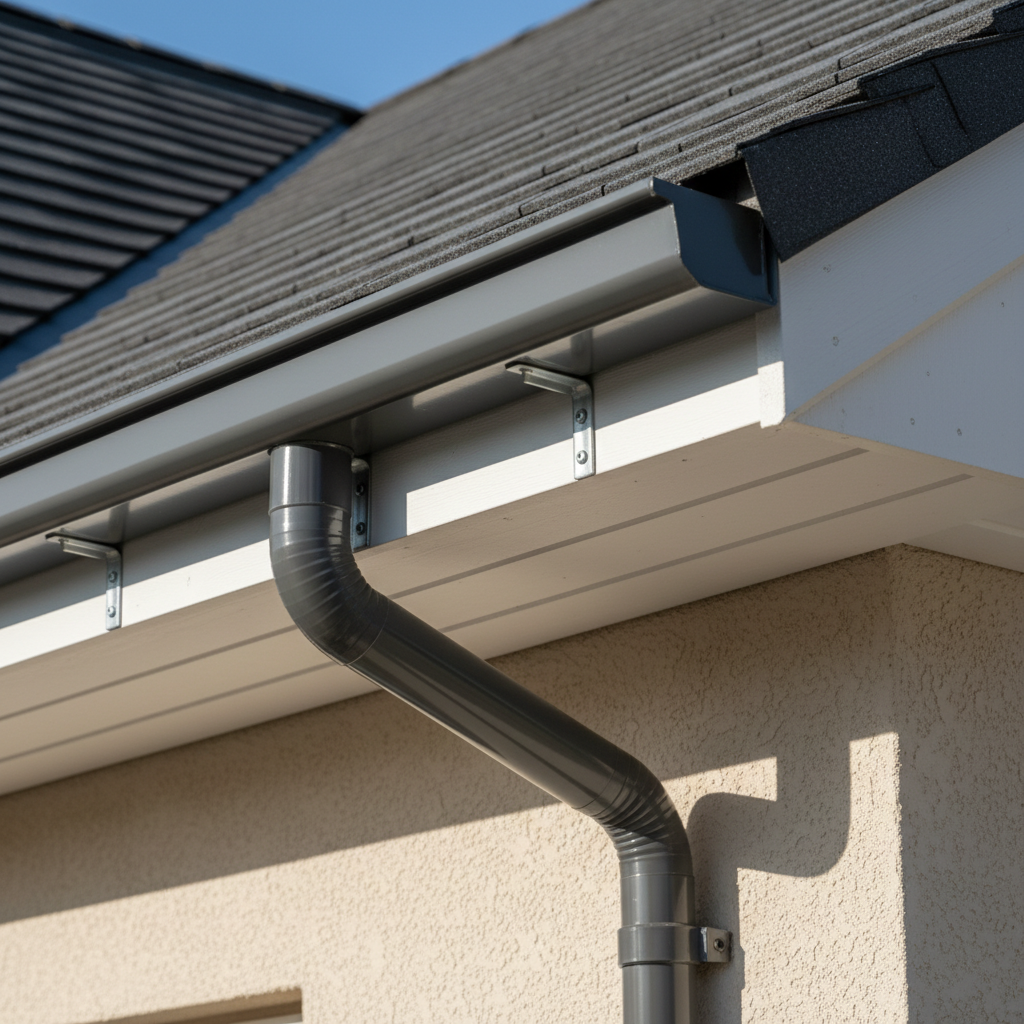
While the initial symptoms of an ice dam appear on the shingles, the resulting damage rarely stays confined to the roof deck. A dam creates a reservoir of standing water that exerts constant pressure on your home’s perimeter. When this water is forced upward under shingles, it also finds gaps behind the fascia board, which is the vertical finishing edge of the roofline. This moisture infiltration is a primary reason homeowners eventually require soffit and fascia repair. Once water bypasses these protective layers, it migrates into the wall cavities.
The loss of exterior integrity often follows a predictable downward path. Saturated wall cavities lead to warped siding, ruined insulation, and mold growth within the home's structure. In Fillmore, where freeze-thaw cycles are frequent, trapped moisture that refreezes inside a wall can even cause siding panels to crack or pull away from the studs. If the drainage issue remains unaddressed, the constant dripping from the roof edge can saturate the soil at the base of the home, potentially leading to foundation settling or basement leaks. Proper ice dam prevention is not just about the roof; it is a critical step in shielding your entire building envelope from systemic water damage.
Winter Maintenance Checklist for Fillmore and Central Utah Homeowners

Maintaining a property in Central Utah requires proactive steps before the first major snowfall. Because our region experiences high winds, especially near the canyon mouths in Fillmore, snow can often be driven horizontally into attic vents. This creates localized moisture issues that exacerbate ice damming. Use this checklist to verify your home is prepared for effective ice dam prevention.
Clean gutters and downspouts: Remove all autumn debris to ensure meltwater has a clear path before the first freeze. This is a primary component of gutter and drainage protection.
Inspect soffit vents: Look for bird nests, beehives, or windblown debris that obstruct airflow. If you notice physical damage or sagging, schedule soffit and fascia repair to restore the intake of cool air.
Measure insulation depth: Ensure your attic reaches the R-49 to R-60 threshold. Any areas where the floor joists are visible indicate insufficient coverage that will lead to significant heat loss.
Observe snow patterns: After the first light dusting, look for hot spots where snow melts faster than the rest of the roof. These areas identify specific thermal bypasses that need professional sealing.
Monitoring these factors helps prevent the hidden water damage that eventually leads to critical roof replacement signs like decking rot or interior ceiling stains. Routine inspection is the most cost effective way to maintain structural integrity throughout the winter.
When to Call a Professional for Ice Dam Removal or Mitigation
When an ice dam has already formed, homeowners often reach for a hammer or chisel. This is a significant mistake that leads to critical roof replacement signs long before the roof’s natural lifespan is over. Mechanical force easily pierces shingles, which become extremely brittle in the Fillmore winter. Similarly, using rock salt or chemicals can corrode your gutter and drainage protection and damage the landscaping below. Professional roofers typically utilize industrial steam machines to safely melt the ice without physical impact. These units use high temperature and low pressure to carve channels without eroding the protective shingle granules.
At Gobes Exterior, our expertise lies in the transition from emergency removal to long term ice dam prevention. We specialize in assessing the damage to decking, siding, and framing once the ice is gone. Our team focuses on the structural upgrades, such as soffit and fascia repair, that ensure these ice reservoirs do not return next season. If you observe water staining on interior ceilings or notice fascia boards pulling away, it is time to shift from temporary fixes to professional restoration and preventative upgrades.