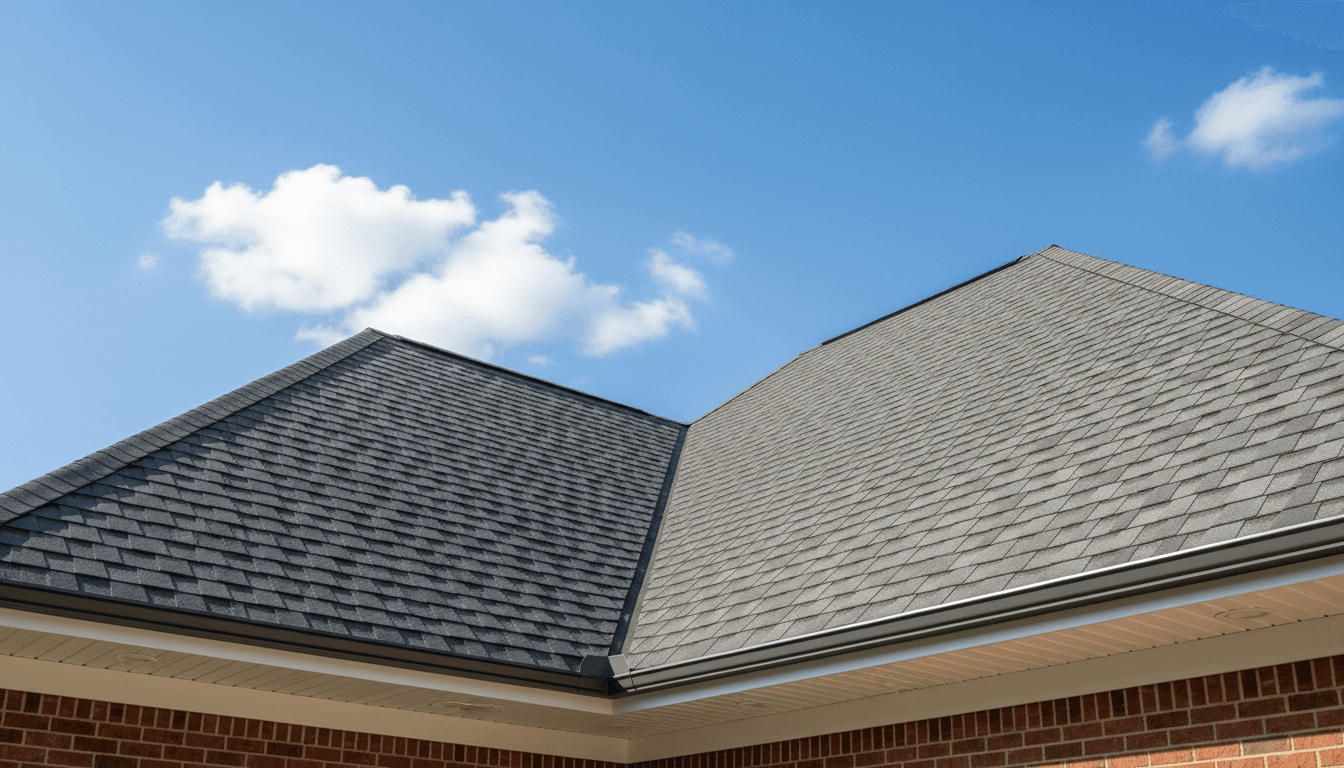
Common roof replacement signs Utah homeowners should monitor include missing or curling shingles, excessive granules in gutters, and visible sagging in the roof deck. Property owners should also consider a new installation if their roof is over twenty years old or if interior water damage is present, as these issues often signal structural compromise.
As a Utah homeowner, you understand that our local climate places unique demands on your property. From intense UV exposure in the summer to heavy snow accumulation in the winter, your roof serves as the primary shield against a punishing environment. However, waiting for a visible leak often means the damage has already migrated into your rafters and insulation. Identifying early warning signs is the only way to prevent a routine maintenance issue from escalating into a full structural emergency. In this guide, we will detail the seven critical indicators that a roof replacement is necessary in Central Utah. You will learn how to spot shingle failure, interpret attic warning signs, and understand the 25 percent rule used by insurance adjusters. We will also provide local cost context for residents in Fillmore to help you make an informed decision for your home.
Understanding the Lifespan of Utah Roofs
In Fillmore and throughout Central Utah, the high desert environment puts significant strain on roofing systems. The local climate presents a unique combination of intense UV exposure, extreme temperature swings, and heavy snow loads that can accelerate the degradation of even the highest quality materials. While manufacturers often provide broad lifespan estimates, the reality in Millard County is that local weather patterns often dictate the actual durability of a structure.
Understanding the standard life expectancy for common materials helps homeowners identify roof replacement signs Utah residents need to watch for. Asphalt shingles are typically rated for 20 to 30 years; however, the intense sun and wind in our region often shorten this window. Metal roofing offers superior durability, lasting between 40 to 70 years, while wood shakes usually require replacement after 15 to 25 years due to moisture and sun damage.
Material Type | Rated Lifespan | Typical Utah Lifespan |
|---|---|---|
Asphalt Shingles | 20 to 30 Years | 15 to 22 Years |
Metal Roofing | 40 to 70 Years | 40 to 60 Years |
Wood Shakes | 15 to 25 Years | 12 to 20 Years |
Tile Roofing | 50 to 100 Years | 50+ Years |
Standard asphalt shingles are a popular choice for exterior repairs and upgrades, yet they are highly susceptible to thermal shock. This occurs when temperatures plummet rapidly after a hot day, causing materials to expand and contract quickly, which leads to brittleness. Additionally, heavy snow accumulation can trap moisture against the roof surface, while high winds can lift shingles that have lost their adhesive bond over time. Monitoring these environmental factors alongside the age of your installation is essential for maintaining a secure home.
Visual Shingle Damage: Curling, Cracking, and Missing Pieces
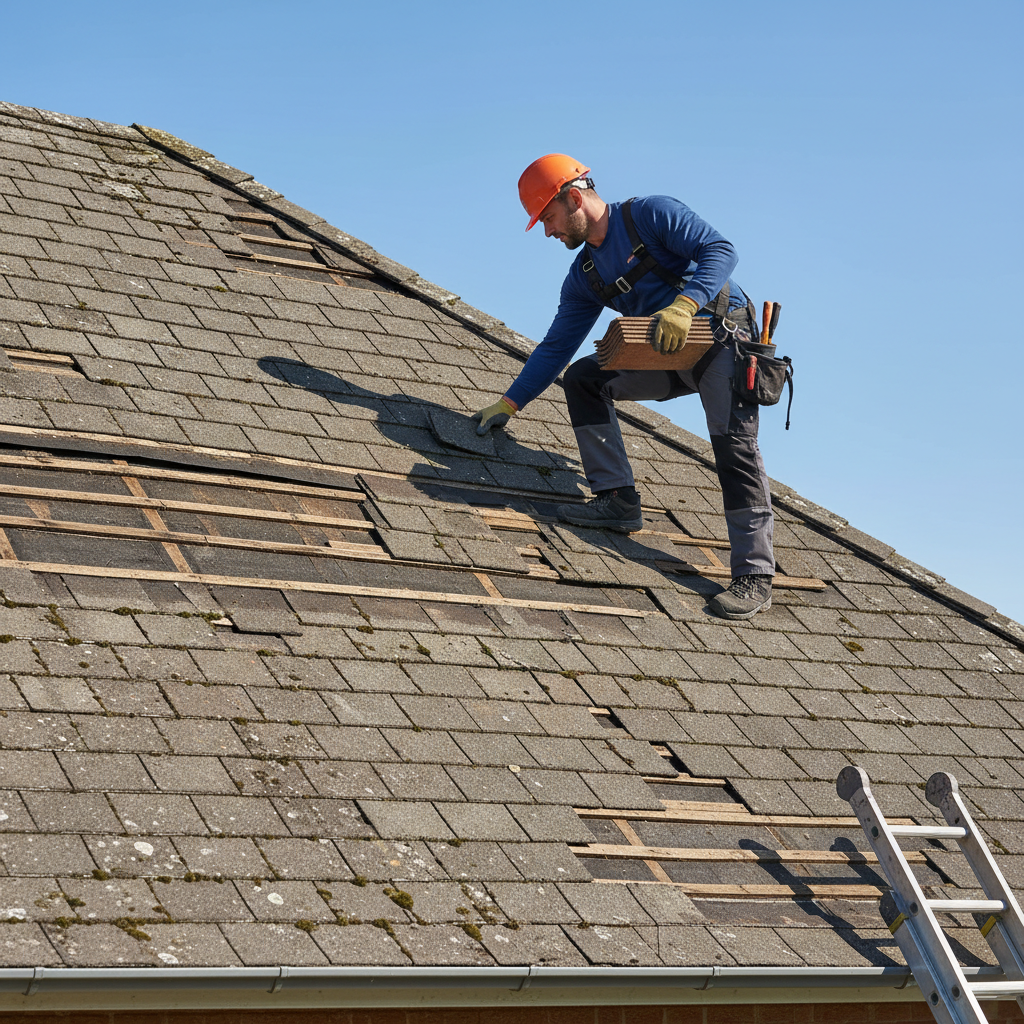
Physical inspections often reveal the first roof replacement signs Utah homeowners notice from the ground. Two critical conditions to identify are cupping and clawing. Cupping occurs when the edges of the shingles turn upward, creating a concave shape that allows wind and water to get underneath. Clawing happens when the middle of the shingle bulges while the edges remain flat or dig into the roof surface. Both indicate that the asphalt binder has dried out and the shingle has lost its structural flexibility. Once shingles become this rigid, they can no longer expand and contract with Fillmore’s temperature swings, making them prone to snapping.
High winds in Millard County frequently put these brittle shingles to the test. If you find shingle fragments or entire tabs in your yard after a storm, the roof’s integrity is compromised. It is important to differentiate between isolated damage and systemic failure. A few shingles lost to a severe gust might only require exterior repairs and upgrades. However, if the remaining shingles feel brittle to the touch or show widespread cracking, a patch will not suffice. When the material has reached the end of its functional life, the adhesive strips fail to reseal. In these cases, securing professional exterior services for a full replacement is the only way to ensure the home remains weather-tight against future storms.
Granules in the Gutters: The Sand in Your Rain System
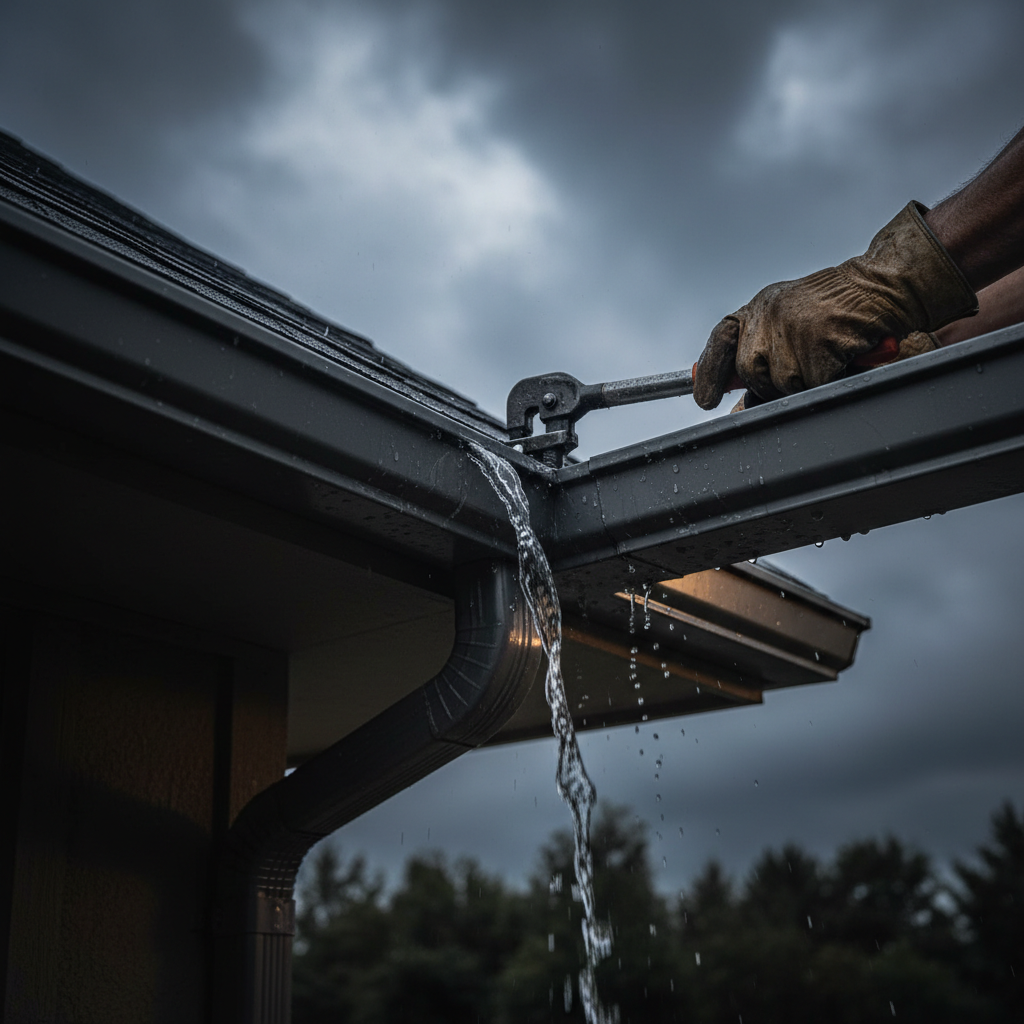
Beyond the physical warping of the material, the loss of mineral granules represents a systemic failure of the shingle's protective layer. These granules serve as the primary shield against intense UV radiation. When this coating erodes, the underlying asphalt is exposed directly to the sun, leading to rapid drying and brittle failure. In the high-elevation environment of Central Utah, this process accelerates due to the thinner atmosphere and stronger solar impact.
To monitor this, inspect your gutter downspouts and splash blocks after a rainstorm. Look for an accumulation of sediment that resembles coarse black sand. Significant buildup indicates that the shingles are shedding their protective surfacing and can no longer effectively regulate surface temperature or resist moisture. This is one of the most reliable roof replacement signs Utah residents overlook until a leak develops. If you notice heavy granule loss during your routine exterior repairs and upgrades, the structural integrity of the shingles is likely reaching its limit. This erosion often signals that the roof can no longer withstand Millard County’s extreme temperature fluctuations.
Interior Warning Signs: Water Stains and Attic Light
While exterior inspections reveal surface-level issues, some of the most telling roof replacement signs Utah residents should monitor are found inside the home. The attic serves as an early warning system for failing materials. During a bright afternoon, turn off the attic lights and inspect the underside of the roof deck. If you see 'daylight' peeking through the boards, it means both the shingles and the underlayment have been breached. In Fillmore, these small gaps often allow fine snow to drift into the attic during winter, leading to moisture damage that remains hidden until the spring thaw.
Water stains on your ceilings or walls are rarely isolated issues; they typically indicate that the secondary moisture barrier has failed. If you notice dark spots, peeling paint, or bubbling plaster in multiple rooms, the roofing system is likely saturated. While a single leak near a chimney or vent might be addressed with exterior repairs and upgrades, widespread moisture intrusion suggests the materials have reached the end of their functional life. Consistent leaks in various locations are a clear indicator that a localized patch is no longer a viable solution. In such cases, securing professional exterior services for a full replacement is the only way to protect the interior of your home from further damage.
Sagging Roof Lines and Structural Warning Signs
A sagging roof line is the most critical among all roof replacement signs Utah residents may encounter. Unlike surface-level shingle damage, a visible dip in the ridge or a wavy appearance across the roof deck suggests that the underlying support structure is failing. In Fillmore, this is frequently the result of years of heavy snow loads stressing weakened rafters, or moisture bypassing the underlayment and rotting the wooden roof deck.
When moisture remains trapped between the shingles and the ceiling joists, the wood softens and loses its load-bearing capacity. This is a priority one warning sign. If the structural integrity is compromised, the risk of a partial or total collapse increases, especially during a heavy winter storm in Millard County. If you notice any deviation from a straight, level roof line, you must contact Gobes Exterior for an immediate inspection. While some exterior repairs and upgrades can address minor issues, a sagging roof typically points to deep-seated damage that requires professional exterior services to ensure the safety of the entire building.
The 25 Percent Rule and Insurance Considerations

Navigating the financial side of a failing roof involves more than just assessing physical damage; it requires an understanding of local building codes and insurance protocols. A critical factor many homeowners overlook is the 25 percent rule. In many jurisdictions, if more than 25 percent of a roof surface is damaged within a one year period, building codes mandate a complete replacement rather than a simple patch. This regulation ensures the structural integrity and uniform wind resistance of the entire system, preventing the weak points that occur when mixing old and new materials across a single slope.
When dealing with insurance adjusters, your communication should remain strictly factual to ensure a fair assessment. Avoid speculating on the specific cause of damage or using phrases like "it is just an old roof" or "I think the wind did this." These statements can inadvertently lead to a claim denial based on wear and tear or deferred maintenance. Instead, point out specific observations such as missing shingles or interior water spots. Sticking to the facts allows the adjuster to draw conclusions based purely on physical evidence. If you are unsure how to document these roof replacement signs Utah inspectors look for, you should contact Gobes Exterior for a professional assessment. Our team provides the detailed documentation needed for professional exterior services, ensuring that all exterior repairs and upgrades meet local safety standards.
Roof Replacement Cost in Fillmore and Central Utah
Understanding the financial commitment is the next step once you have identified physical roof replacement signs Utah homeowners often encounter. In our region, a full replacement typically ranges from $8,500 to $25,000, though this varies based on several local factors. The complexity of your roof’s pitch and the specific materials chosen will dictate the final project cost. In Fillmore and throughout Millard County, it is essential to factor in the structural requirements for local snow loads and wind resistance.
Material Option | Estimated Cost Range | Best Local Application |
|---|---|---|
Asphalt Shingles | $8,500 – $16,000 | Budget-friendly for standard residential slopes |
Metal Roofing | $18,000 – $30,000+ | Ideal for heavy snow shedding and long-term durability |
Premium Shingles | $12,000 – $20,000 | Enhanced wind resistance for exposed canyon areas |
Choosing between asphalt and metal involves weighing initial costs against long term performance. While asphalt provides an accessible entry point for exterior repairs and upgrades, metal roofing offers a significantly longer lifespan in the high desert sun. Utilizing professional exterior services ensures that the installation includes the correct flashing and underlayment to prevent ice damming during harsh winters. To receive an accurate estimate tailored to your home's specific architecture, contact Gobes Exterior for a detailed on-site assessment. Localized service ensures your investment is built to survive the unique environmental pressures of Central Utah.
Choosing Between Repair and Full Replacement
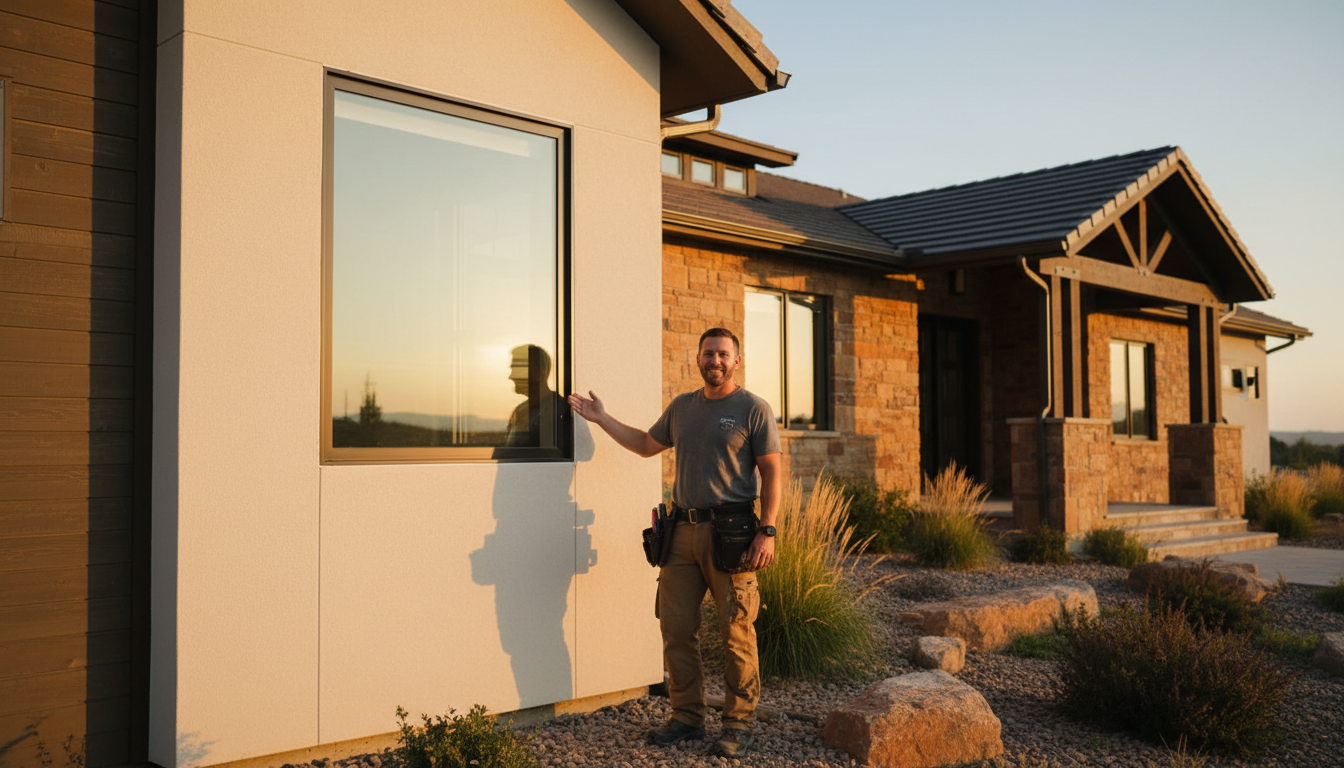
Deciding between localized maintenance and a complete tear-off requires balancing immediate costs against long-term structural safety. While a single leak might suggest a simple fix, many roof replacement signs Utah homeowners observe actually point toward systemic failure. Use the following checklist to evaluate your property's needs:
Material Age: If asphalt shingles exceed 18 to 20 years, they have likely lost the flexibility needed for Fillmore's temperature swings.
Damage Extent: Apply the 25 percent rule; if more than a quarter of the surface is compromised, a full replacement is often legally or practically required.
Frequency of Repairs: Persistent issues indicate that the underlayment or deck has failed, making repeated exterior repairs and upgrades an inefficient use of funds.
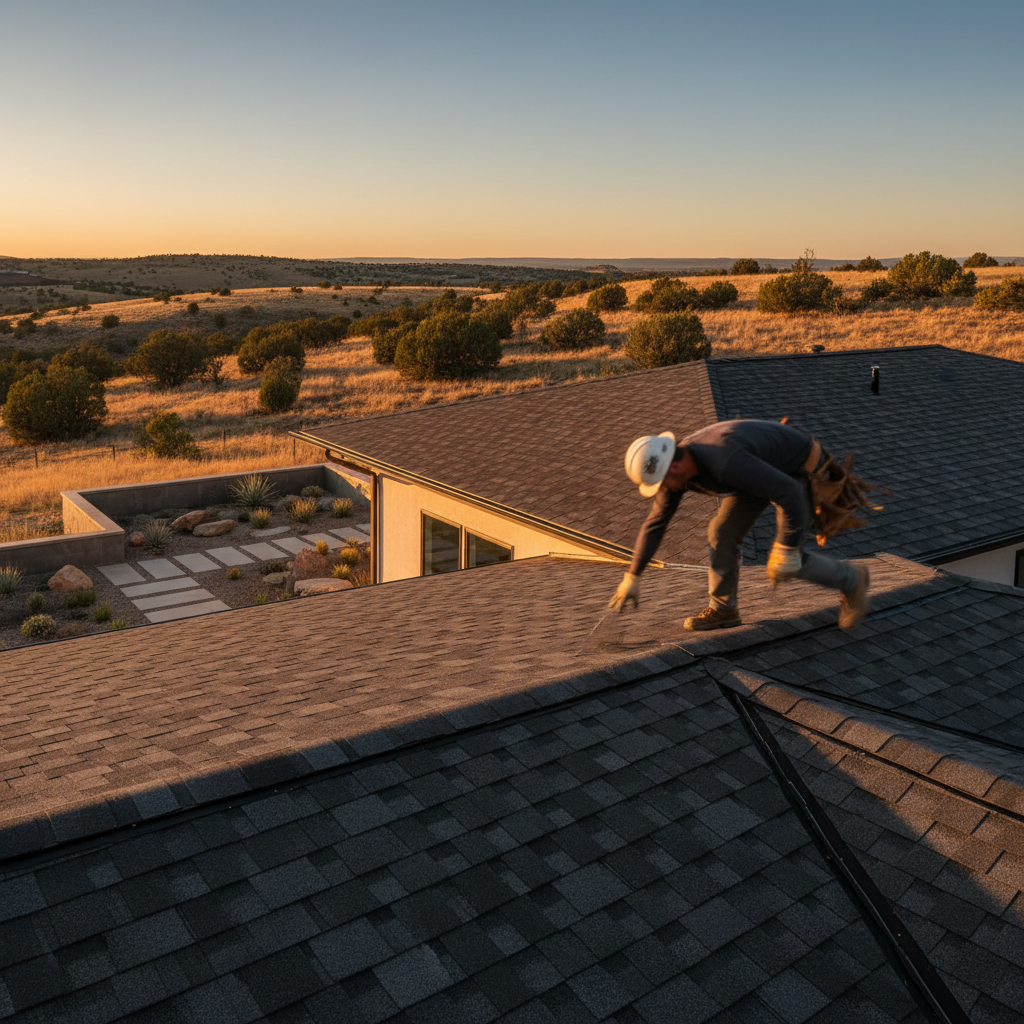
Gobes Exterior helps clarify this choice through a comprehensive assessment. Our professional exterior services include a thorough inspection of the roof deck, ventilation, and flashing, ensuring we address the underlying cause of damage rather than just the surface symptoms. To determine the most cost-effective path for your home, contact Gobes Exterior for a detailed evaluation of your roof's structural health.
Recognizing the signs of roof wear early can save you from costly water damage and structural issues; staying proactive is essential for protecting your Utah home. If you want expert help assessing your current roof condition, our team is ready to provide honest, professional guidance. You can learn more about our commitment to quality roofing and how we support local families. We are here to ensure your property remains safe and secure through every season, giving you total peace of mind regardless of the weather outside.