Fiber cement and steel are the top choices for the best siding for Utah climate because they withstand extreme temperature swings and frequent freeze-thaw cycles. Specifically, fiber cement products like Hardie Board offer superior fire resistance and moisture protection; metal siding provides a durable barrier against heavy snow and intense desert sunlight.
Living in Utah means subjecting your home to some of the most unforgiving weather patterns in the country. From the intense UV radiation of the high desert to the relentless freeze-thaw cycles that characterize our winters, your siding serves as the first line of defense against structural degradation. Many homeowners find themselves frustrated by fading colors, brittle panels, or the constant threat of moisture infiltration. Selecting a material is not just an aesthetic choice; it is a critical investment in your property's longevity and thermal efficiency. This guide provides a detailed analysis of fiber cement, vinyl, stucco, and wood within the context of the local environment. We will examine how each material performs under stress, compare long term maintenance costs, and explain why professional installation remains the most vital factor in achieving a resilient exterior.
The Unique Challenges of the Utah Environment
Utah's climate is uniquely taxing on building materials. Homeowners in Fillmore and across the state deal with a specific set of environmental stressors that can compromise a siding installation in just a few seasons. The most destructive force is the freeze thaw cycle. During a typical Utah winter day, the sun warms the exterior, causing snow and ice to melt into liquid water. This moisture finds its way into the smallest pores or seams of your siding. When temperatures drop below freezing at night, that water expands. This internal pressure creates hairline fractures that grow into major structural issues over time.
Altitude also plays a significant role. Because we live at a higher elevation, our homes are exposed to intense UV radiation. These rays break down chemical bonds in paint and plastics, leading to premature fading and warping. When you combine this solar heat with our exceptionally dry air, many organic materials become brittle and prone to cracking under impact. Selecting the best siding for Utah climate requires understanding that your home is essentially in a high desert battleground where moisture, sun, and temperature swings are constant threats. Proper exterior repairs and upgrades must account for these forces to ensure long term durability and structural integrity.
Fiber Cement Siding: The Gold Standard for Durability in Fillmore
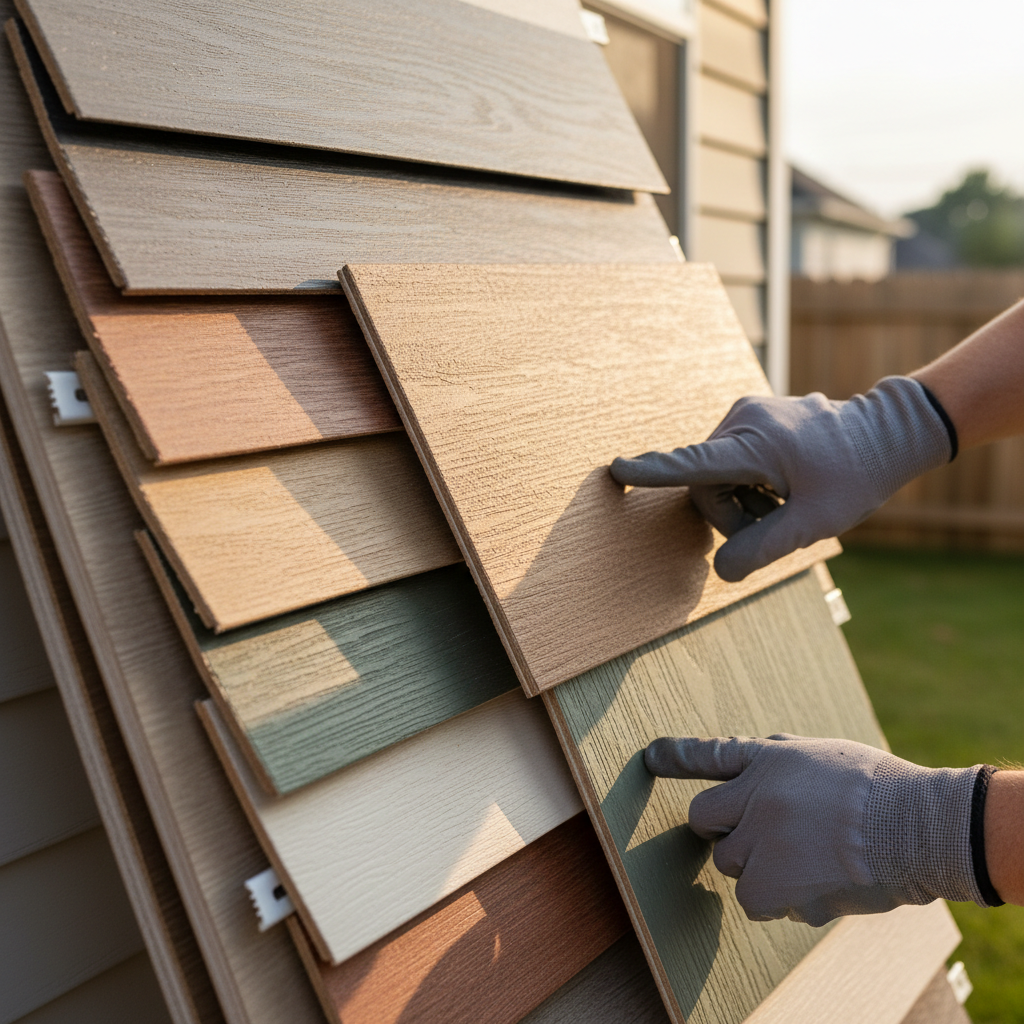
Fiber cement stands out as the most resilient solution for Fillmore homes facing these environmental pressures. This material is a composite of wood pulp, sand, and Portland cement, compressed into a dense board that mimics the aesthetic of natural timber while providing the durability of masonry. For homeowners seeking the best siding for Utah climate, we specifically recommend the James Hardie HZ5 product line. Unlike generic siding brands that use a "one size fits all" formula, HZ5 is engineered specifically for climates characterized by freezing temperatures, seasonal snow, and ice.
The performance of fiber cement in Utah’s high desert is largely due to its dimensional stability. Because the material is exceptionally dense, it does not expand or contract significantly when the temperature fluctuates from a sub zero night to a sunny afternoon. This stability prevents the buckling and cracking often seen in lesser materials. Furthermore, fiber cement is non combustible and resistant to both rot and pests. Woodpeckers and termites, which can be problematic in rural Utah, find no purchase in the cementitious surface.
Homeowners frequently ask if Hardie Board is worth the higher upfront investment. When you consider its 30 plus year lifespan and the minimal maintenance required, the long term value becomes clear. It maintains its structural integrity and paint finish much longer than traditional wood or standard vinyl. However, because fiber cement is significantly heavier and more rigid than other options, it requires professional exterior services to ensure proper handling and fastening. Generic fiber cement products that lack the HZ5 climate specific formulation often suffer from delamination or surface peeling when exposed to Utah’s intense freeze thaw cycles. Investing in a proven, climate engineered product provides a level of protection that generic alternatives simply cannot match.
Vinyl Siding in Cold Climates: Budget vs Performance
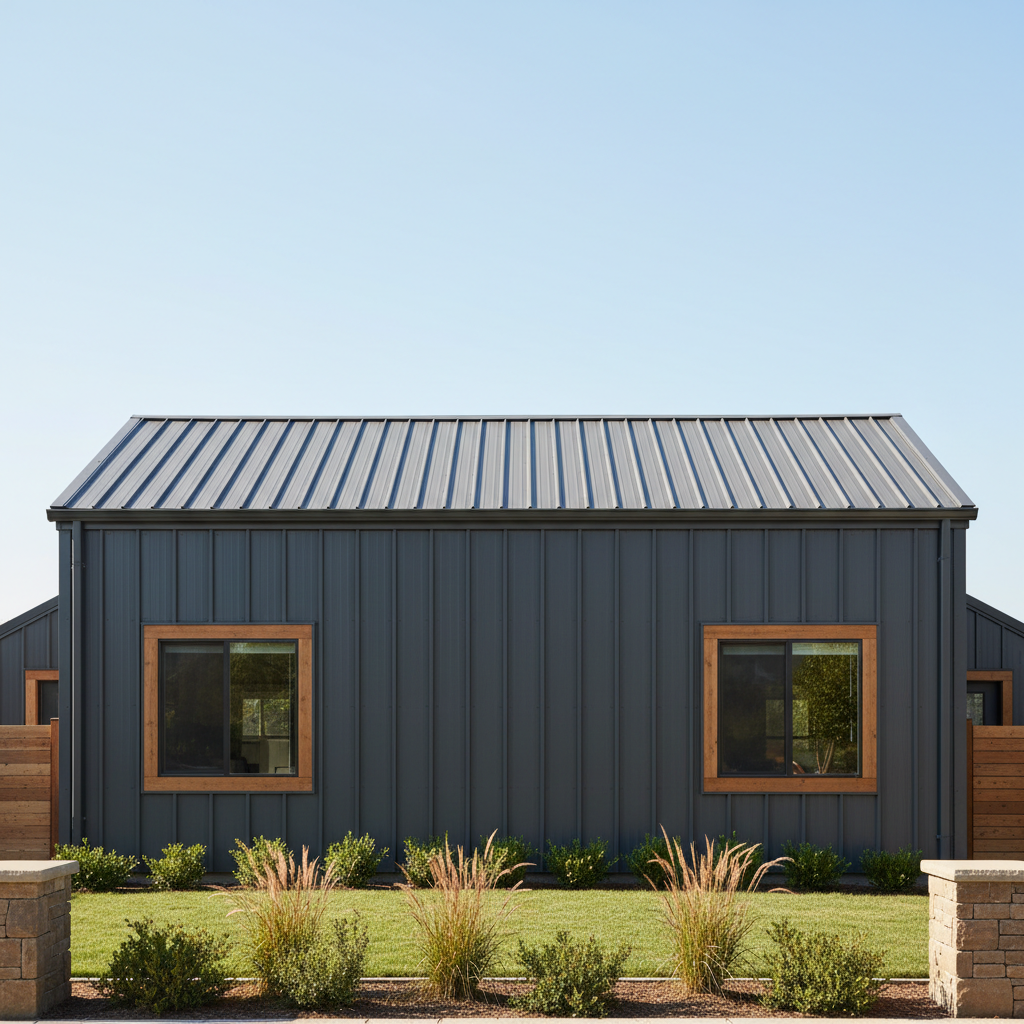
Vinyl siding remains a popular choice for Fillmore homeowners primarily due to its affordability and low maintenance requirements. Unlike wood, it does not require regular painting or staining, and the initial installation cost is significantly lower than fiber cement. However, when evaluating a vinyl siding material comparison cost utah freeze thaw context, the performance trade-offs become evident as the temperature drops.
The primary drawback in our high-desert environment is brittleness. While modern PVC formulations are far superior to the products manufactured 20 years ago, vinyl is still susceptible to cracking during a Utah winter. When temperatures fall well below freezing, the material loses its flexibility. A simple impact from a stray rock, a ladder, or even heavy hail that might bounce off other materials can cause a standard vinyl panel to shatter or puncture rather than flex.
For those prioritizing budget but still wanting the best siding for Utah climate, we recommend upgrading to a higher-grade, insulated vinyl. These products feature a rigid foam backing that serves two purposes. First, it provides a physical buffer that helps the siding panels maintain their shape during the rapid thermal expansion and contraction common in Fillmore. Second, the foam acts as a shock absorber, significantly reducing the risk of impact cracks in the cold. When planning exterior repairs and upgrades, choosing a thicker mil gauge is essential. Thinner, contractor-grade vinyl often lacks the structural integrity to withstand our winter cycles without eventually warping or failing at the seams.
Stucco and the Freeze Thaw Dilemma
Stucco remains a cornerstone of Utah architecture, providing a clean, masonry aesthetic that fits the high desert landscape. Homeowners must distinguish between traditional hard-coat stucco, a three-coat cementitious process, and EIFS (Exterior Insulation and Finish System), which utilizes foam insulation and a synthetic finish. While both offer excellent curb appeal, they are uniquely susceptible to the Utah freeze-thaw cycle. Because stucco is a rigid material, it does not flex with the home's natural settling. This lack of elasticity inevitably leads to hairline cracks.
When moisture enters these microscopic openings during a spring thaw, it becomes trapped. As temperatures drop overnight, that water expands, causing the surface to flake or pop off in a process known as spalling. If left unaddressed, these small fractures allow water to reach the wooden substrate, leading to rot behind the facade. To maintain your property, perform a thorough inspection every March. Look for "spider-webbing" patterns or dark, damp stains near window corners and along the foundation line. Catching these issues early allows for targeted exterior repairs and upgrades before the damage reaches the structural framing. While stucco is often considered among the best siding for Utah climate due to its thermal mass, its longevity depends entirely on vigilant maintenance and moisture management.
Wood Siding: Aesthetics vs Maintenance Reality
Natural wood siding, such as cedar or redwood, captures a specific high desert aesthetic that complements Fillmore’s rugged landscape. However, the maintenance reality in Utah is rigorous. The combination of intense high altitude UV radiation and heavy winter snow creates a cycle of damage where the sun bleaches the finish and moisture eventually rots the core. Homeowners should expect a full repainting or restaining cycle every 5 to 7 years to prevent structural failure.
For those who want the warmth of timber without the constant upkeep, LP SmartSide serves as an effective middle ground. This engineered wood product uses zinc borate and water resistant waxes to provide the classic look while resisting the decay common in natural lumber. If your existing wood facade is showing graying or softness, prioritizing exterior repairs and upgrades is vital before moisture reaches the sheathing. Choosing an engineered alternative during professional exterior services helps balance the desired aesthetic with a product that actually qualifies as the best siding for Utah climate.
Cost Comparison: Upfront Investment vs Long Term Value
Choosing the best siding for Utah climate involves balancing immediate expenses against long term operational costs. Vinyl remains the entry-level option for many Fillmore homeowners because the material is lightweight and requires less specialized equipment, resulting in lower labor costs. In contrast, fiber cement installation involves a significantly higher labor investment. The material is heavy, requires specialized cutting tools to manage silica dust, and necessitates precise fastening patterns to maintain the manufacturer warranty.
Siding Type | Initial Cost | Installation Labor | Lifespan in Utah |
|---|---|---|---|
Vinyl | Low | Low | 15 to 25 Years |
Fiber Cement | Moderate to High | High | 30 to 50 Years |
Wood | Moderate | Moderate | 20 to 30 Years |
Stucco | High | High | 50+ Years |
Many clients ask if investing in Hardie Board actually increases home value. In the Utah real estate market, the answer is a definitive yes. Because fiber cement does not warp under UV exposure or crack during the freeze thaw cycle, it maintains curb appeal far longer than vinyl. When combined with professional exterior services, these installations often yield a higher return on investment by lowering future maintenance costs and improving thermal performance. If you are planning exterior repairs and upgrades, consider that the upfront premium for fiber cement is often recouped through lower utility bills and a higher resale price. You can contact Gobes Exterior for a detailed quote tailored to your property specific needs.
Why Professional Installation is Non Negotiable
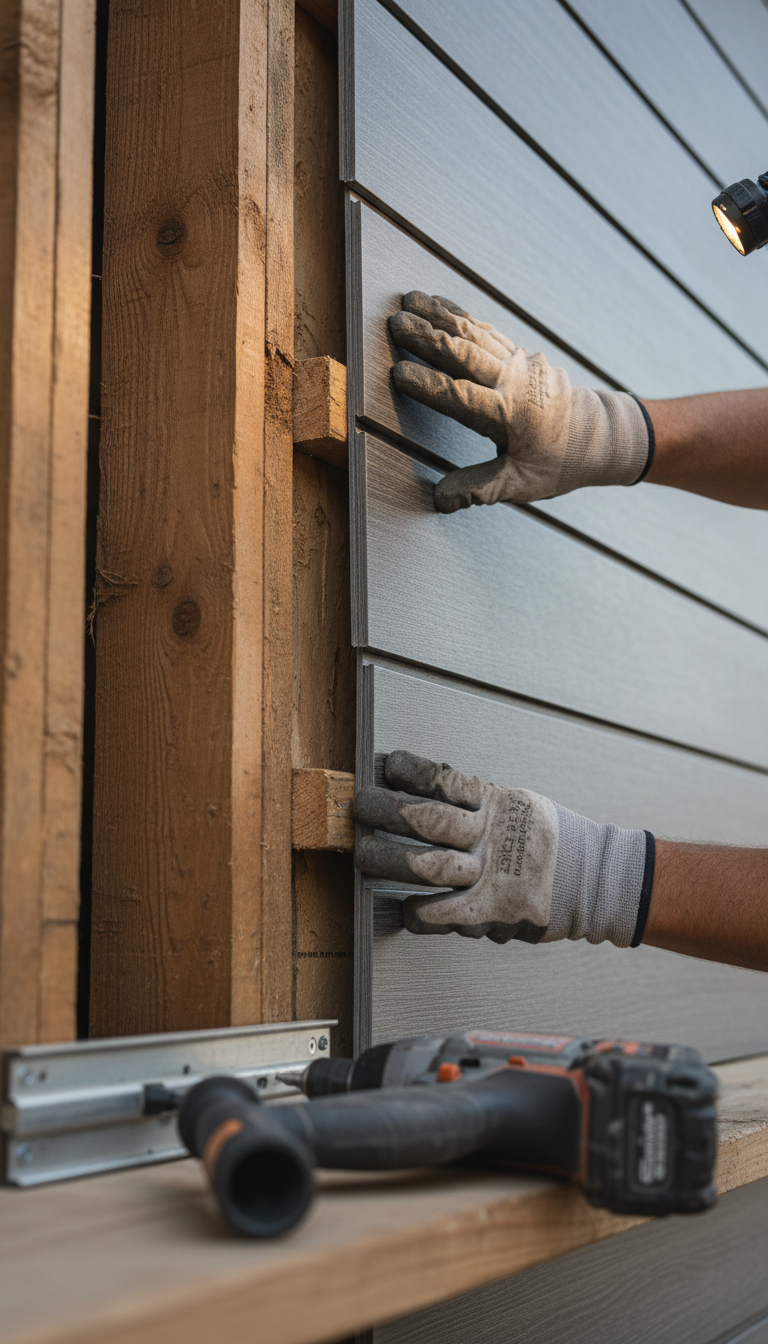
High quality materials only perform as well as the hands that install them. Even if you invest in the best siding for Utah climate, a failure to flash or seal a single joint correctly can lead to catastrophic water damage. Many general contractors treat siding as a simple cosmetic skin, but in Fillmore, it is a critical moisture barrier that must account for extreme thermal shifts. A common mistake in Utah installations is failing to provide adequate gap spacing at windows, doors, and trim. Because materials require specific tolerances for seasonal expansion, boards that are butted too tightly will eventually buckle or force their way off the wall.
At Gobes Exterior, we adhere to strict installation protocols that ensure these gaps are measured precisely and filled with high grade, permanently flexible sealants. This prevents water from penetrating the substrate during spring thaws when ice dams often force moisture upward and behind the siding line. Proper sealant application is not just about aesthetics; it is a structural necessity in a high desert environment where driving wind and melting snow are constant factors.
Fastening technique is another area where cut rate crews often fail. Overdriving nails can crush the core of the siding board, creating a localized point for moisture absorption and eventual rot. Our team utilizes calibrated pneumatic tools to ensure every fastener is set to the exact depth required by the manufacturer warranty. When you prioritize professional exterior services, you are securing a system that integrates proper house wrap, kick out flashing, and specialized fasteners. For homeowners looking to protect their investment and ensure their warranty remains valid, you can contact Gobes Exterior to discuss your next phase of exterior repairs and upgrades.
Selecting the right siding for Utah involves balancing durability over time against the state's unique climate shifts. Whether you prefer the low maintenance of vinyl or the strength of fiber cement, your choice will ultimately protect your home for decades. If you want expert help deciding which material is best for your specific property, you can learn more about our team and our approach to local exterior solutions. We are here to guide you whenever you are ready to begin.