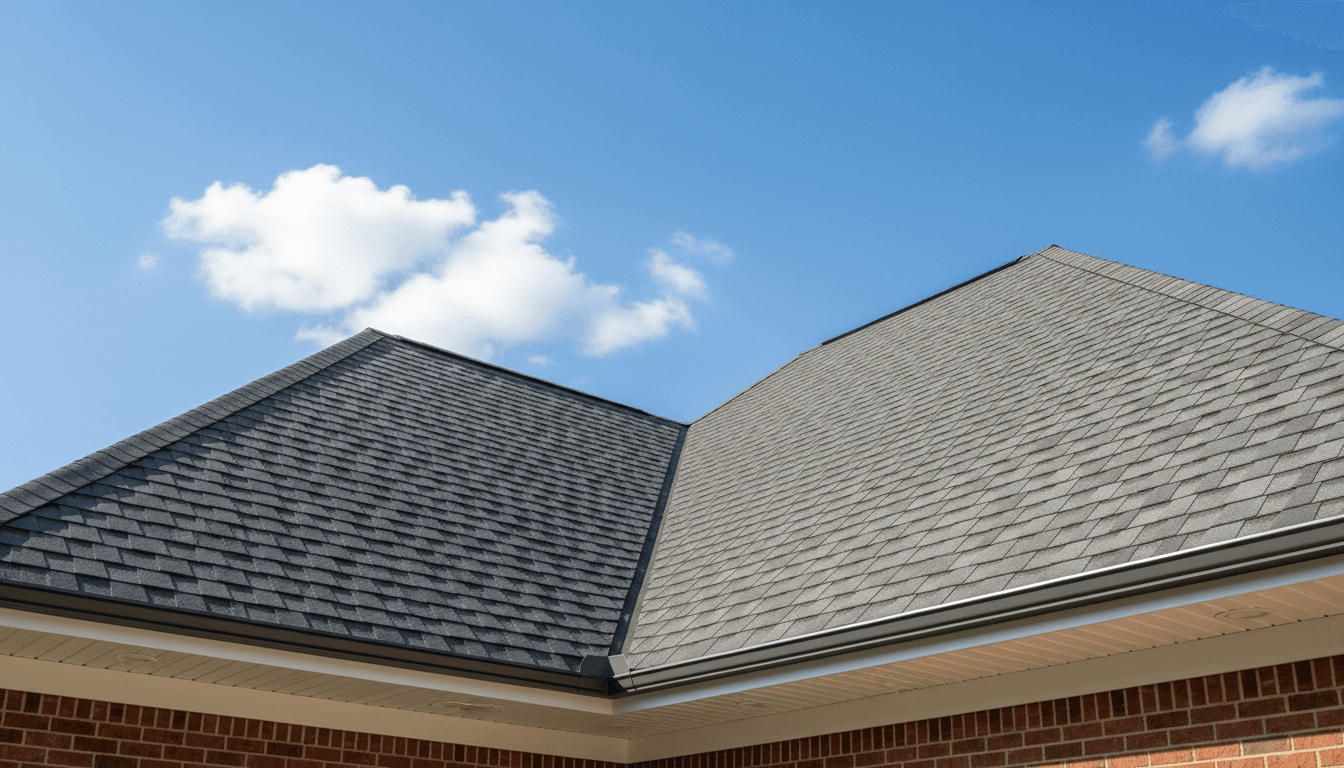
Managing stucco repair Utah effectively requires identifying hairline or spiderweb cracks early to prevent water infiltration during harsh freeze-thaw cycles. Homeowners should seal minor imperfections promptly while consulting professionals for deep structural damage or widespread discoloration to ensure long-term exterior durability.
Living in Utah means your home's exterior faces a relentless cycle of freezing and thawing that can turn a minor hairline fracture into a structural nightmare. When moisture enters these small openings and expands into ice, the pressure compromises the integrity of your stucco system. For homeowners in Central Utah, ignoring these cracks is a gamble that often leads to internal water damage and costly remediation. This guide provides an expert look at the science behind stucco failure in our unique high desert climate. You will learn how to distinguish between cosmetic and structural threats, recognize the critical warning signs that demand immediate attention, and understand the temperature limitations for effective repairs. Whether you are assessing current damage or planning annual maintenance, these insights will help you protect your investment against the elements.
The Science of Stucco Failure in Central Utah

In Fillmore and throughout Millard County, stucco surfaces endure a relentless environmental assault known as the freeze thaw cycle. Unlike the stable temperatures of the Southwest, our high desert climate facilitates a destructive mechanical process within the wall assembly. Stucco is a porous material by nature. When moisture from snowmelt or winter rain enters the microscopic pores of the exterior finish, it remains trapped within the substrate.
As night falls and temperatures plummet, this trapped water converts to ice, expanding by approximately 9 percent in volume. This expansion generates immense hydraulic pressure from within the wall, which forces existing pores to widen and creates new micro fractures. It is important to differentiate these environmental failures from the curing cracks typically seen in warmer climates like Arizona or Florida. While curing cracks are generally the result of rapid moisture loss during the initial drying phase of installation, the damage requiring stucco repair utah homeowners face is often progressive and climate driven.
A single property in Central Utah can undergo hundreds of these freeze thaw cycles in a single season. Each cycle acts like a wedge, slowly prying the stucco away from the underlying lath or widening a small gap until it can no longer shed water effectively. Because this process happens at a microscopic level before becoming visible to the naked eye, investing in reliable exterior repairs is a necessity for long term structural integrity rather than a cosmetic luxury. Proactive maintenance is the only way to prevent these hundreds of annual cycles from compromising the building envelope.
Hairline Cracks vs Structural Cracks: Identifying the Threat
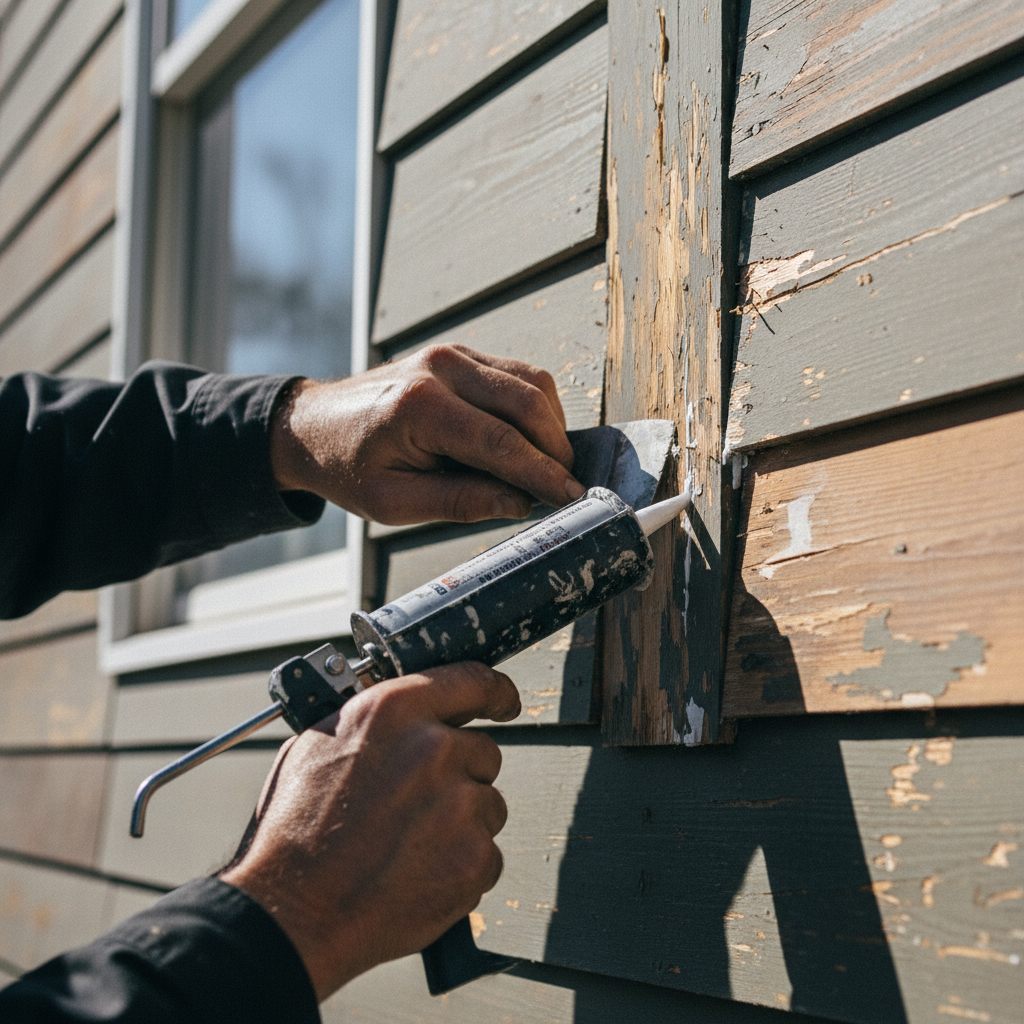
Distinguishing between minor surface blemishes and deep-seated structural issues is the first step in protecting your property. In the industry, we often use the 1/16th inch rule as a baseline. A hairline crack is generally thinner than 1/16th of an inch, which is roughly the thickness of a credit card. While these are frequently the result of a new home settling or minor ground vibrations, they should never be ignored in Millard County. In warmer states, these might remain cosmetic for years, but here, even a hairline fracture acts as a capillary that pulls moisture deep into the wall system during a snowstorm.
Structural cracks present a more immediate threat to the building envelope. These are typically wider than 1/8th inch and manifest in recognizable patterns. You might notice stair step cracks following the lines of underlying masonry or diagonal fractures radiating from the corners of windows and doors. These patterns suggest that the house is experiencing significant movement or that the lath system is failing. When cracks reach this width, the protective barrier is fundamentally broken, allowing bulk water to bypass the stucco entirely.
Homeowners can perform a simple diagnostic check known as the hollow sound test. By gently tapping the area surrounding a crack with a knuckle or a plastic tool handle, you can listen for a change in pitch. A solid, dull thud indicates the stucco is still bonded to the substrate. A sharp, hollow sound, however, signals delamination. This means the stucco has physically separated from the lath, creating a pocket where water can pool and rot the underlying wood framing. Identifying these areas early allows for professional exterior services to address the root cause before the entire section becomes unstable. If you notice these warning signs, seeking stucco repair utah specialists is critical to prevent the next freeze cycle from causing a complete blowout of the exterior finish.
Five Warning Signs Your Stucco Needs Immediate Repair
Once you have identified a crack or detected a hollow sound, it is vital to look for secondary symptoms of moisture intrusion. In Fillmore, these red flags often indicate that water has already bypassed the exterior finish and is actively affecting the structural components of the building. Homeowners should regularly inspect their property for these five critical warning signs:
Discoloration and 'Tears': Dark streaks or rust-colored stains originating from the corners of windows and doors are a primary indicator of failed flashing. These 'tears' signify that water is running behind the stucco, potentially rotting the wooden framing.
Moss or Algae Growth: While we live in a high desert, moisture can become trapped near the foundation. If you see green or black growth on the lower sections of your walls, the stucco is retaining water rather than shedding it, often due to poor drainage or improper soil clearance.
Bulging or Soft Spots: If a section of the wall looks swollen or feels spongy when pressed, the system has reached a point of impending failure. This typically means the lath has rusted through or the substrate has saturated and expanded.
Efflorescence: This manifests as a white, powdery salt deposit on the surface. It occurs when moisture migrates through the stucco and evaporates, leaving behind mineral salts that can eventually lead to reliable exterior repairs being far more invasive than a simple patch.
Visible Gaps at Junctions: Any separation between the stucco and the trim, soffits, or flashing acts as a funnel for melting snow.
In our specific climate, waiting until the spring thaw to address these issues is a significant risk. When water remains trapped behind the stucco during the winter months, it creates a dark, damp environment that facilitates internal mold growth and wood rot long before the first warm day arrives. If you notice these symptoms, consulting a specialist for stucco repair utah services immediately can save the underlying structure from permanent damage.
The Temperature Rule: When is it Too Cold for Stucco Repair in Utah?
While the urgency to address moisture intrusion is high, the physical application of stucco repair utah is strictly dictated by the thermometer. Because stucco is a water based cementitious product, the curing process relies on a chemical reaction that is highly sensitive to ambient and surface temperatures. For traditional Portland cement stucco, the industry standard is to never apply material if the temperature is below 40 degrees Fahrenheit. Furthermore, the temperature must remain above freezing for at least 24 hours following the application to ensure the mix hydrates and bonds properly.
If the water in the wet stucco freezes before the curing process is complete, ice crystals form within the matrix and disrupt the structural bond between the material and the lath. This results in frozen stucco, which is characterized by a chalky, brittle texture that lacks structural integrity and will inevitably flake off once the weather warms. In Fillmore, our high desert nights can drop 30 degrees in a matter of hours; a repair completed on a sunny 45 degree afternoon can still fail by midnight if the wall temperature plummets.
We generally advise homeowners to schedule professional exterior services between late spring and early fall. This window, typically May through September in Central Utah, provides the most reliable thermal stability for reliable exterior repairs. If you discover damage late in the season, contact Gobes Exterior to discuss whether temporary stabilization or climate controlled enclosures are necessary to protect your home until a permanent repair can be safely executed.
Professional Stucco Repair vs DIY Solutions
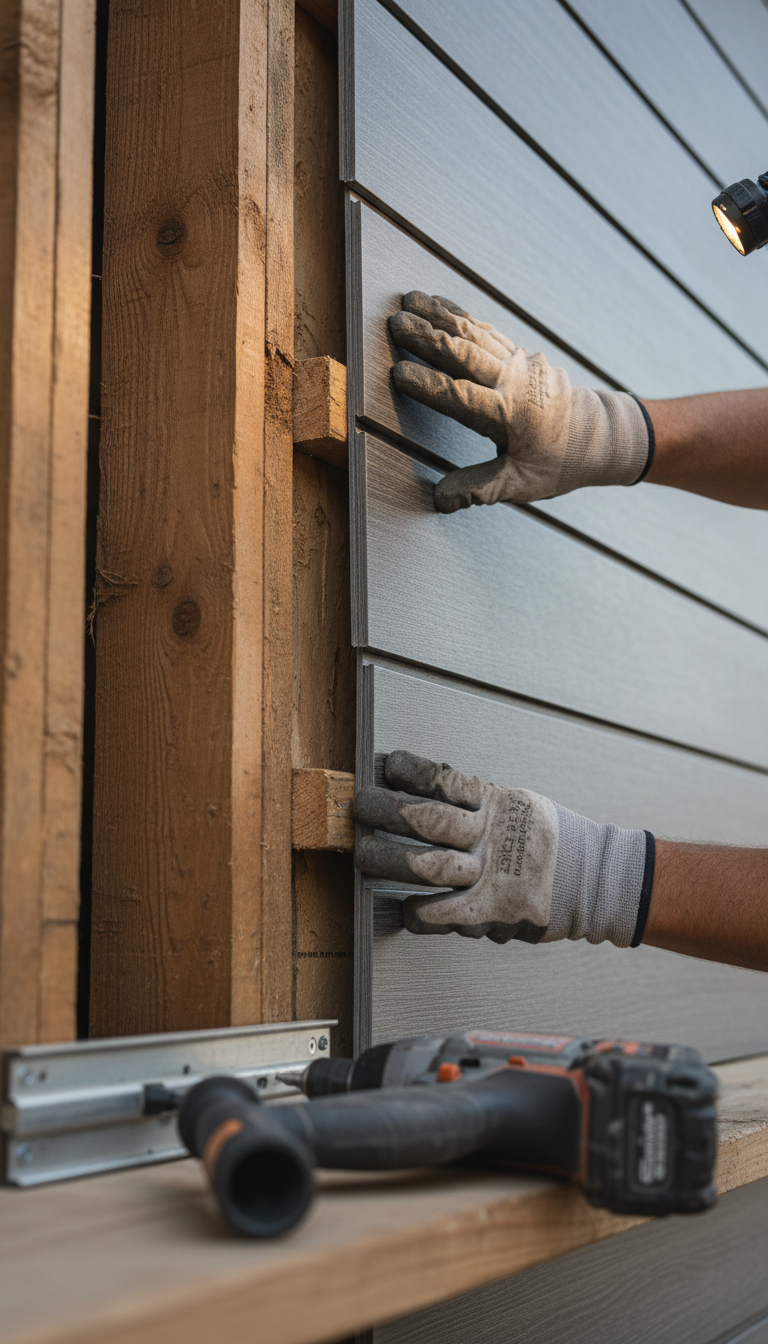
While the 40 degree rule dictates the timing of repairs, the method chosen determines how long those repairs will last through the next winter. Many property owners in Fillmore attempt to use pre mixed stucco patch kits or acrylic caulking from local hardware stores. These DIY solutions can act as a temporary plug to stop bulk water entry for a few months, but they rarely address the fundamental needs of a high desert exterior.
Standard DIY fillers are often too rigid. As temperatures fluctuate, the existing stucco and the new patch expand and contract at different rates. Because store bought patches lack the high performance polymers found in professional grade elastomeric coatings, they frequently pull away from the edges of the original crack during the first hard freeze. This creates a new entry point for moisture, rendering the initial repair useless. Furthermore, achieving a seamless texture match with a hardware store kit is nearly impossible, often leaving the home with visible scars that detract from its value.
Feature | DIY Stucco Kits | Professional Stucco Repair |
|---|---|---|
Material Base | Rigid Acrylic or Cement | Flexible Elastomeric Coatings |
Color Matching | Limited stock colors | Custom site matched pigments |
Durability | 1 to 2 seasons | Long term weatherproofing |
Structural Check | Surface level only | Lath and substrate inspection |
When performing stucco repair utah specialists at Gobes Exterior provide more than just a surface patch. Our process involves a full structural integrity check to ensure the underlying lath and moisture barrier are sound before applying specialized materials. By utilizing flexible coatings and precise color matching, we provide reliable exterior repairs that withstand Central Utah’s thermal shifts. For a permanent solution rather than a temporary fix, contact Gobes Exterior for a comprehensive assessment of your property’s needs.
Annual Maintenance Checklist for Utah Stucco Homes
Maintaining a stucco exterior in Millard County requires a proactive approach before the first major snow accumulation. By following a structured autumn checklist, homeowners can identify minor vulnerabilities before they escalate into structural failures. This routine is essential for preserving the integrity of the building envelope against the harsh thermal shifts characteristic of Central Utah.
Clear Gutters and Downspouts: Clogged gutters cause water to overflow and splash back onto the wall surfaces. This constant wetting leads to staining and deep saturation. Ensure all downspouts direct water at least three feet away from the foundation to prevent pooling near the base of the walls.
Inspect Sealants and Caulking: Examine the joints around windows, doors, and utility penetrations. If the caulk is cracked or pulling away, it creates a direct path for moisture to enter behind the stucco. High quality, flexible sealants are necessary to accommodate the expansion and contraction of different building materials.
Monitor After the First Hard Frost: Once the ground freezes for the first time, perform a perimeter walk. Look for new hairline fractures that may have appeared as the home settled in response to the temperature drop. Identifying these early allows for reliable exterior repairs before mid winter moisture enters the gaps.
Verify Soil Clearance: Ensure that soil, mulch, or gravel levels are at least 6 inches below the weep screed. The weep screed is the metal flashing at the bottom of the wall designed to allow trapped moisture to escape. If it is buried, the stucco will wick moisture upward from the ground, leading to base rot and efflorescence.
Consistent oversight is the most effective way to avoid the high costs associated with neglected stucco repair utah specialists often see. If you discover areas of concern during your inspection, contact Gobes Exterior to schedule professional exterior services and ensure your property is fully prepared for the winter months.
Managing stucco in Utah requires a proactive approach to handle the constant expansion and contraction caused by the freeze-thaw cycle. By staying ahead of small cracks and maintaining proper seals, you can protect your home from significant water damage over time. If you want expert help navigating these unique climate challenges, our team at Gobes Exterior is here to assist. You can learn more about our team and commitment to quality craftsmanship and local expertise. We aim to ensure your exterior remains beautiful and resilient for years to come.