Exterior waterproofing Utah is a critical preventative measure that protects homes from structural damage caused by heavy spring snowmelt and the state's frequent freeze-thaw cycles. By sealing the outer foundation walls and managing drainage, this process keeps moisture from penetrating porous concrete and prevents costly basement leaks.
Utah homeowners know that the same snowpack providing world class skiing eventually becomes a silent threat to their foundations. As spring temperatures rise, massive volumes of snowmelt saturate the soil, creating hydrostatic pressure that searches for even the smallest structural weakness. Left unaddressed, this moisture initiates a destructive freeze thaw cycle that expands cracks and compromises your basement during the winter months. At Gobes Exterior, we understand that standard solutions often fall short of the protection required for our high desert climate. This guide explores the critical distinction between basic dampproofing and professional waterproofing, the science behind local soil moisture, and the comprehensive methods we use to secure your home. You will learn how integrated drainage systems and advanced wall coatings act as a final line of defense against Utah's most persistent environmental challenges.
Why Utah Homes Require Specialized Exterior Waterproofing
Utah property owners often mistake the state's arid climate for a lack of water risk. In reality, the geography of Fillmore and the surrounding Millard County areas creates a high-stakes environment for residential and commercial foundations. The heavy snowpack from the Pavant and Wasatch ranges does not just disappear; it transforms into massive volumes of runoff during the spring thaw. When this melt hits the clay-rich soil prevalent in our region, the earth holds that moisture tightly against your foundation walls. This saturation creates immense hydrostatic pressure that can force moisture through even the smallest pores in concrete.
Effective exterior waterproofing Utah requires more than a simple spray-on sealant found at a big-box store. Because our temperatures fluctuate so rapidly, materials must be able to bridge cracks and maintain flexibility. Generic solutions often fail under the weight of wet Utah clay or crack during the brutal transition from a freezing night to a sunny afternoon. Maintaining structural integrity through professional exterior services means using heavy-duty membranes designed to withstand these specific geological and atmospheric pressures. For homeowners seeking expert exterior repairs, understanding that the local environment dictates the solution is the first step in long-term protection.
Waterproofing vs Dampproofing: Understanding the Critical Difference
Distinguishing between dampproofing and exterior waterproofing Utah is critical for long term structural health. Many builders apply dampproofing as a standard measure, which involves a thin, asphalt based coating sprayed onto the foundation. This layer is designed solely to retard the migration of water vapor through the concrete. It is not intended to stop liquid water under pressure. Because dampproofing is brittle, it cannot bridge the small settlement cracks that naturally occur in Utah foundations, meaning any shift in the soil creates an immediate path for moisture.
Professional exterior waterproofing involves a much more robust, rubberized membrane that maintains elasticity for decades. This resilient barrier can stretch over cracks up to 1/8 of an inch, ensuring the seal remains intact even as the ground moves. For properties in Fillmore that face significant hydrostatic pressure from seasonal snowmelt, this difference is the deciding factor between a dry basement and a flooded one.
Feature | Dampproofing | Exterior Waterproofing |
|---|---|---|
Primary Function | Vapor barrier only | Full liquid water barrier |
Crack Bridging | None; brittle finish | Resilient; remains flexible |
Hydrostatic Pressure | Not rated for standing water | Designed for high water tables |
Estimated Cost | $3 to $6 per sq. ft. | $5 to $10+ per sq. ft. |
Typical Lifespan | 5 to 10 years | 25 to 50+ years |
While the initial investment for a high quality membrane is higher, the cost of remediating a failed dampproofing system often involves full excavation and replacement later. If you are unsure which system your property currently utilizes, you can contact Gobes Exterior for a site assessment to evaluate your foundation's current level of protection. Choosing the right system now prevents the recurring costs associated with expert exterior repairs caused by water intrusion. This technical choice becomes even more vital when considering how water behaves as temperatures drop.
The Science of Freeze Thaw Cycles in Central Utah
In Fillmore, the elevation and unique mountain climate create a persistent cycle of moisture absorption and solidification. Standard building materials like brick, concrete, and stucco are naturally porous, containing microscopic channels that draw in liquid during the afternoon snowmelt. When the sun sets behind the Pavant Range and temperatures plummet, this trapped moisture undergoes a physical transformation.
Water is one of the few substances that expands as it freezes, increasing in volume by approximately 9 percent. Within the confined spaces of a masonry wall or a concrete foundation, this expansion generates tremendous internal pressure. This force is what leads to spalling, where the surface of the brick or stucco flakes off, and bulging, which indicates structural stress. Over several seasons, these small internal ruptures connect to form larger cracks that compromise the building envelope.
Central Utah properties are particularly vulnerable because these cycles happen daily rather than just once a season. Without specialized exterior waterproofing Utah solutions that prevent initial absorption, the freeze thaw cycle acts like a slow motion jackhammer on your home. Property owners noticing these early signs of surface degradation should seek expert exterior repairs to address the underlying moisture issues before the structural damage necessitates more invasive professional exterior services. If you have questions about current damage or visible cracking in your masonry, you can contact Gobes Exterior for a detailed evaluation of your property's exterior health.
Comprehensive Foundation Waterproofing Methods
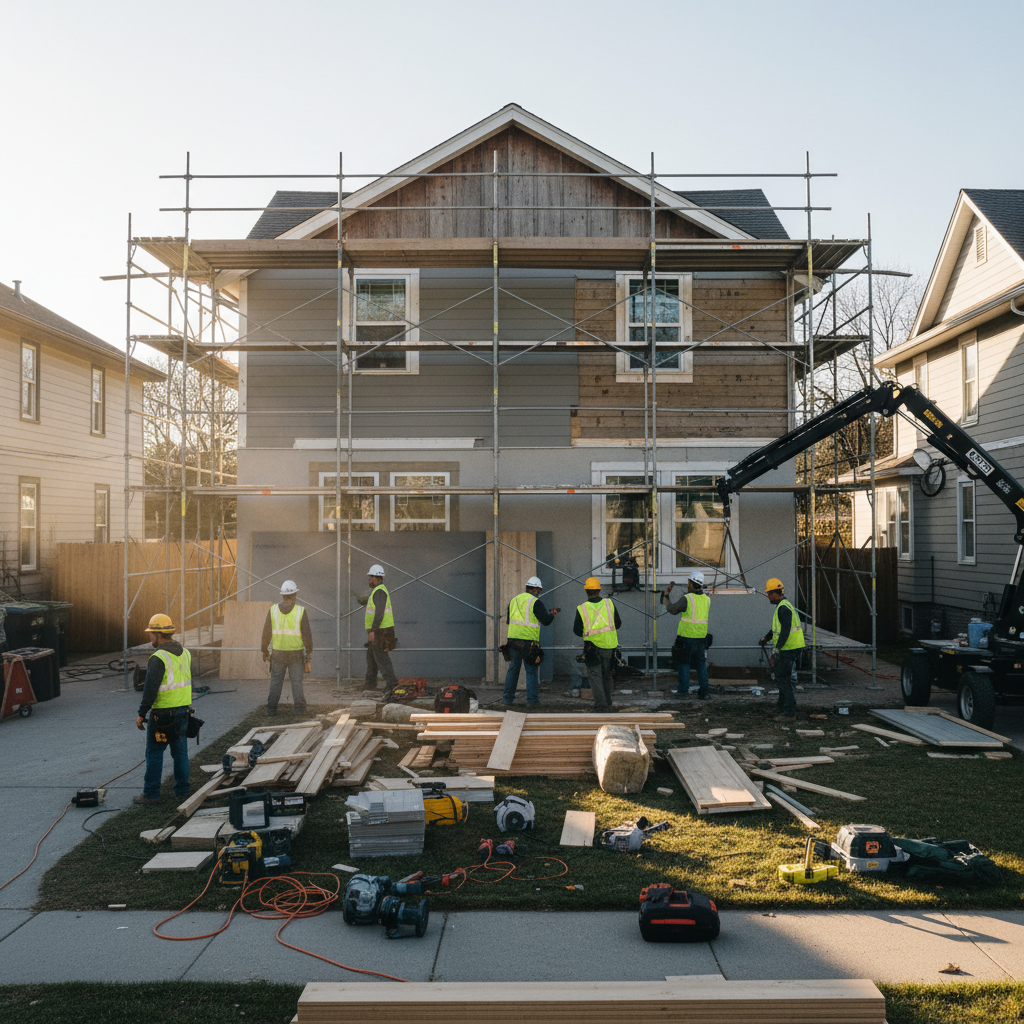
Preventing the damage caused by freeze thaw cycles requires a systematic approach to sealing the exterior of your foundation. Effective exterior waterproofing Utah involves more than surface level fixes; it requires addressing the foundation from the footer up to the grade line. The process begins with careful excavation. Our team digs down to the foundation footer, exposing the entire vertical surface that remains in contact with the soil. This step is labor intensive but necessary to ensure no portion of the concrete is left vulnerable to hydrostatic pressure.
Once the wall is exposed, the concrete must be meticulously cleaned. We remove all dirt, loose mortar, and old, failing dampproofing materials. A clean substrate is vital for the adhesion of modern membranes. After preparation, we apply the primary barrier. This typically involves a heavy-duty, liquid-applied rubberized asphalt or a thick, peel-and-stick sheet membrane. These materials are chosen for their ability to remain flexible, allowing them to span minor settlement cracks without tearing.
The installation sequence follows a specific order to manage water flow:
Membrane Application: This layer seals the concrete against liquid water and vapor, acting as the primary line of defense.
Drainage Board Installation: A dimpled plastic board is fixed over the membrane. This serves two purposes: it protects the membrane from damage during backfilling and creates an air gap that allows water to fall straight down to the drainage system.
French Drain Integration: At the footer level, we install a perforated pipe surrounded by clean gravel and wrapped in filter fabric. This system collects the water that reaches the bottom of the wall and redirects it away from the structure.
Without a functional French drain, water will simply pool at the base of your foundation, eventually finding a way underneath the slab. For property owners requiring professional exterior services to resolve existing moisture issues, these steps represent the standard for high-performance protection. If you are noticing damp spots in your basement or crawlspace, you can contact Gobes Exterior to discuss a tailored plan for your property. Proper execution ensures that expert exterior repairs remain a one-time investment rather than a recurring seasonal expense.
Protecting Exterior Walls: Beyond the Foundation
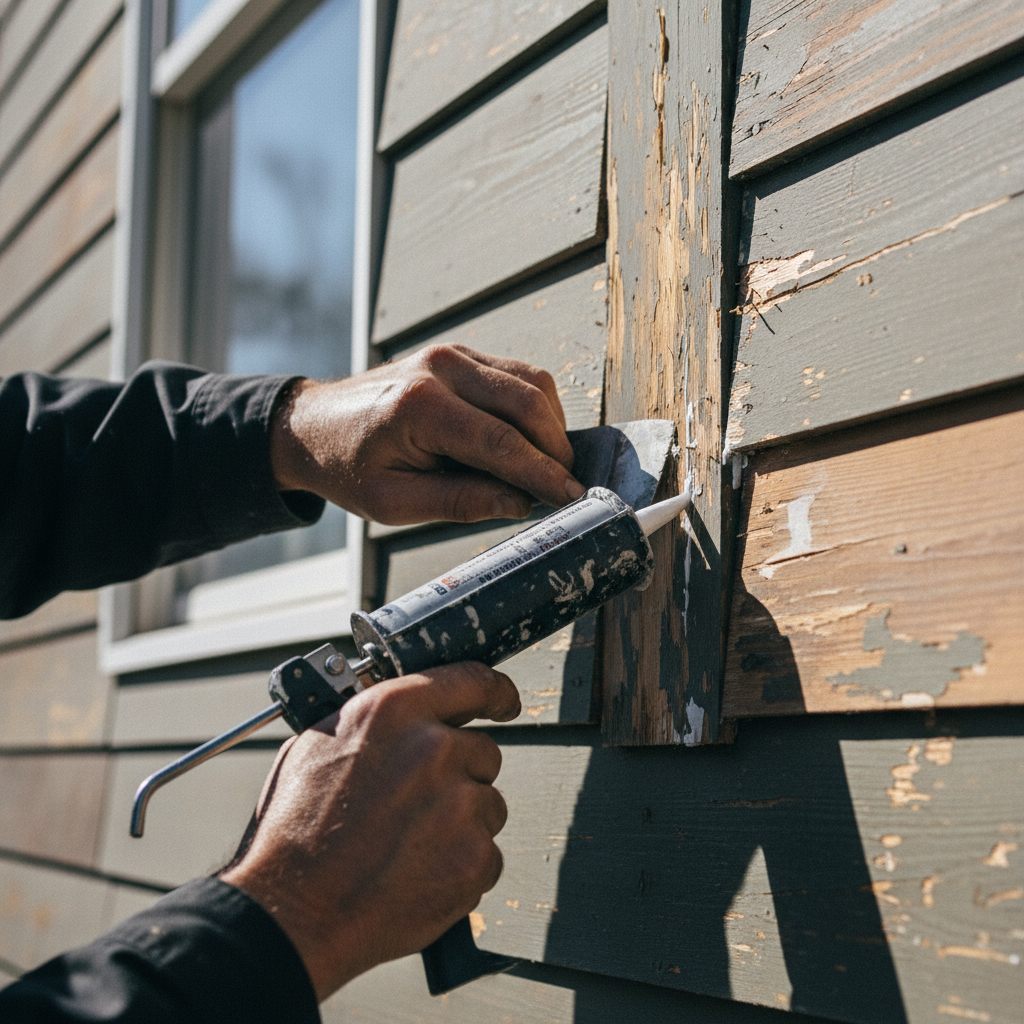
While foundation protection is the first line of defense, the walls of your home also face significant environmental stress. In Fillmore, wind-driven snow and rain can force moisture into porous surfaces like stucco and brick. Protecting these areas requires a specialized approach that balances water resistance with vapor permeability. High-quality silane or siloxane-based sealants are often preferred for masonry because they penetrate deep into the substrate, creating a hydrophobic barrier without altering the appearance or blocking the material's ability to breathe.
The concept of breathability is essential, particularly for older homes or those with traditional finishes. Utah historic preservation guidelines emphasize that trapping moisture inside a wall is just as damaging as letting it in from the outside. If a sealant is too restrictive, water vapor migrating from the interior of the home can become trapped behind the exterior finish, leading to delamination, efflorescence, or structural rot. Expert exterior repairs must account for this balance to ensure the home sheds liquid water while remaining vapor-permeable.
Beyond surface treatments, the most common points of failure are the junctions between different materials. Proper flashing around windows, doors, and rooflines is non-negotiable for effective exterior waterproofing Utah. We often see damage caused by missing or improperly installed drip caps and kick-out flashing, which allows water to seep behind the siding or stucco. Ensuring these metal components are correctly integrated into the weather-resistive barrier is a core component of professional exterior services. If you notice staining around window frames or hairline cracks in your stucco, you should contact Gobes Exterior to evaluate the integrity of your building envelope before moisture reaches the framing.
The Role of Gutters and Drainage in Moisture Protection
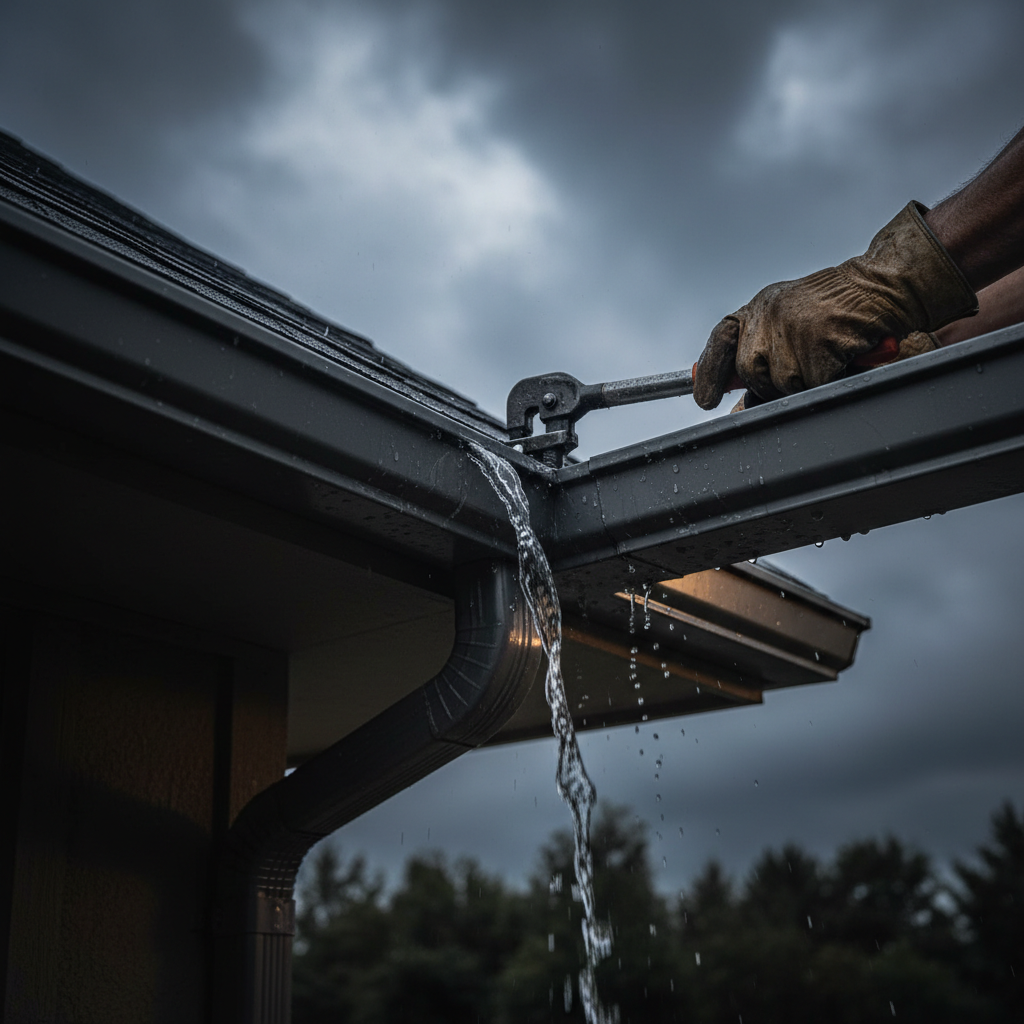
Moving water away from the structure is the most effective way to reduce the load on your foundation. Even the most advanced exterior waterproofing Utah system can be overwhelmed if roof runoff is allowed to saturate the soil immediately adjacent to the building. A well-maintained gutter system acts as the primary collection point for the significant snowmelt common in Fillmore. If gutters are clogged or undersized, water spills over the edge, creating a concentrated stream that erodes the grade and drives moisture directly into the footer.
Proper management requires extending downspouts at least five to ten feet away from the foundation. Using solid PVC or corrugated pipe extensions is a highly cost-effective strategy to prevent soil saturation and localized hydrostatic pressure. For property owners investing in professional exterior services, ensuring these drainage components are functioning is a prerequisite for long-term success. If your current system allows water to pool near the masonry, it may be time for expert exterior repairs to redirect the flow. You can contact Gobes Exterior to evaluate how your site’s grading and drainage interact with your home’s existing waterproofing.
Investment and ROI: Does Waterproofing Increase Property Value?
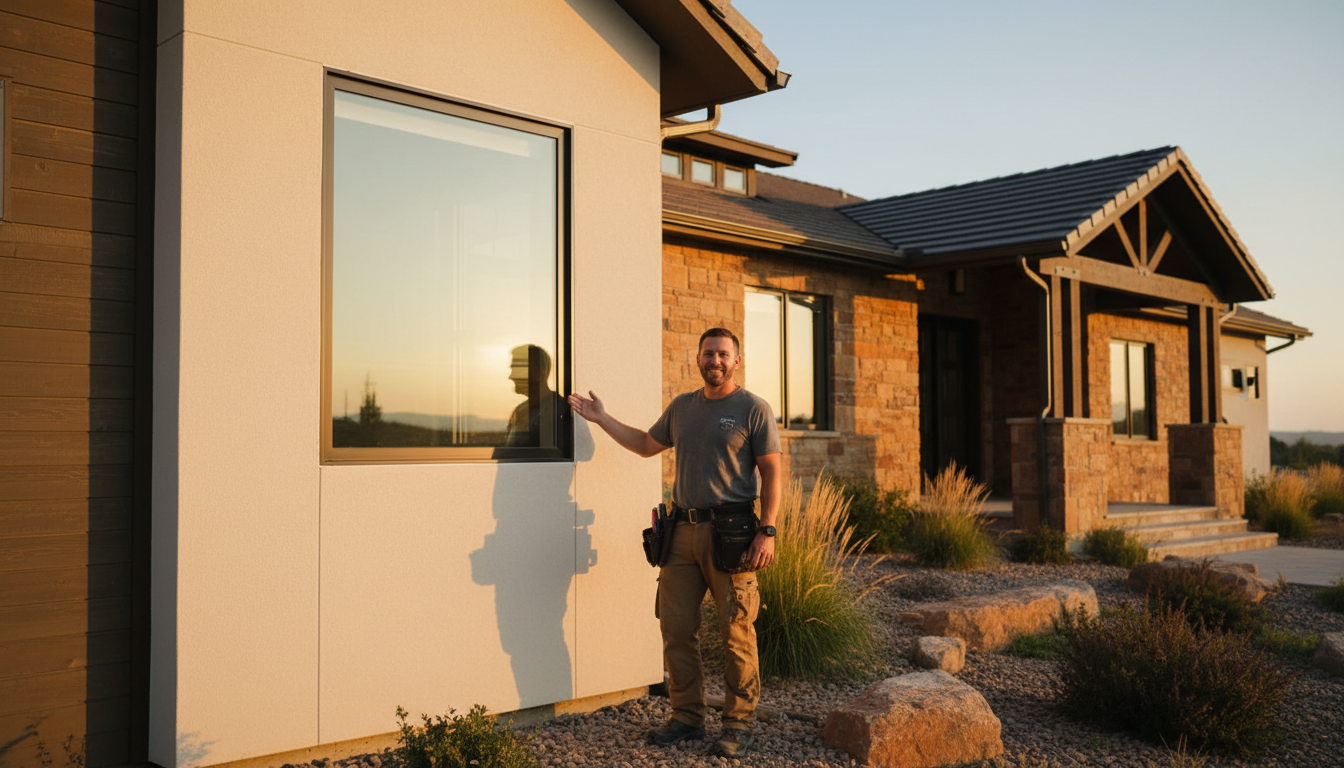
Investing in professional exterior services for moisture control provides both immediate protection and long term financial gain. While the upfront investment for a full foundation excavation and membrane installation typically ranges from $10,000 to $30,000, this expenditure prevents the catastrophic costs associated with foundation stabilization or mold remediation, which can easily double those figures. In the Fillmore and broader Millard County real estate markets, a certified dry basement and an unblemished exterior finish are significant selling points. Homebuyers in Utah are increasingly wary of the hidden damage caused by the state's harsh climate.
A property with documented exterior waterproofing Utah systems holds its value better because it eliminates the risk of structural settlement and interior water damage. Prospective buyers view these upgrades as essential infrastructure rather than cosmetic improvements. If you are planning to sell or simply want to protect your home's equity, you can contact Gobes Exterior to discuss how these improvements impact your property's marketability. Proper moisture management ensures that you avoid the need for emergency expert exterior repairs during a sale, keeping your closing on track and your valuation high.
Protecting your Utah home from the cycle of snowmelt and damage caused by freezing is essential for long term structural health. Effective waterproofing keeps moisture away from your foundation, which prevents cracks and leaks during the winter months. While basic maintenance is helpful, some projects require a professional approach to ensure lasting results. If you want expert help safeguarding your exterior, please read more About our team and our specialized approach to local property care. We are always available to help you navigate these seasonal challenges.