To ensure structural safety, homeowners must inspect for wood rot by looking for soft spots, discoloration, and loose fasteners caused by the local climate. Professional deck repair Utah services address these issues by reinforcing joists and restoring damaged surfaces to prevent complete structural failure. Regular maintenance and seasonal inspections are vital for extending the life of your outdoor living space.
In Utah, your deck endures a relentless cycle of heavy snow, spring melt, and scorching summer sun. This volatility often leaves homeowners staring at cracked planks or unsettling wobbles, wondering if their outdoor space is actually safe for the next family gathering. Neglecting these early warning signs can transform a simple surface fix into a complete structural failure; this is especially true when the state’s freeze-thaw cycle accelerates deep-seated wood rot. At Gobes Exterior, we understand that structural integrity is non-negotiable for high-altitude living. In this guide, we will examine the five critical signs of deck failure, demonstrate how to perform a professional-grade screwdriver test for rot, and break down the costs associated with repairing versus replacing your investment. You will also learn how to protect your ledger boards and navigate the complexities of insurance coverage for weather-related damage.
Why Utah’s Freeze Thaw Cycle Triggers the Need for Deck Repair
Utah's high desert climate presents a specific set of challenges for timber structures. In areas like Fillmore and throughout the Wasatch Front, your deck is subjected to extreme temperature swings within a single twenty four hour period. During a typical winter afternoon, bright sunlight can raise surface temperatures well above freezing, causing snow to melt rapidly. This liquid water seeps deep into the wood fibers, especially in porous grains or around fastener holes. As the sun sets and temperatures plummet, that trapped moisture freezes and expands.
This expansion is the primary driver for deck repair Utah homeowners face. When water turns to ice, it expands by roughly nine percent, exerting immense internal pressure on the cellular structure of the wood. This process creates micro cracks that grow larger with every cycle. Over time, these fissures allow even more moisture to penetrate, accelerating the degradation of the boards and compromising the protective seal.
The type of snow we receive also plays a critical role. While Utah is famous for dry mountain powder, residents near the Wasatch Front often deal with Great Salt Lake effect snow. This lake effect moisture is significantly heavier and wetter than high altitude powder. Because of its high moisture content, it clings to horizontal surfaces and remains saturated longer, significantly increasing the risk of wood rot compared to drier regions. To mitigate this environmental stress, Gobes Exterior provides professional exterior services that include the application of high quality, weather resistant sealants. If you notice deepening cracks or soft spots after a heavy winter, you should contact our team for a deck inspection to evaluate the structural integrity of your outdoor space.
The 5 Warning Signs Your Utah Deck is Structurally Unsafe
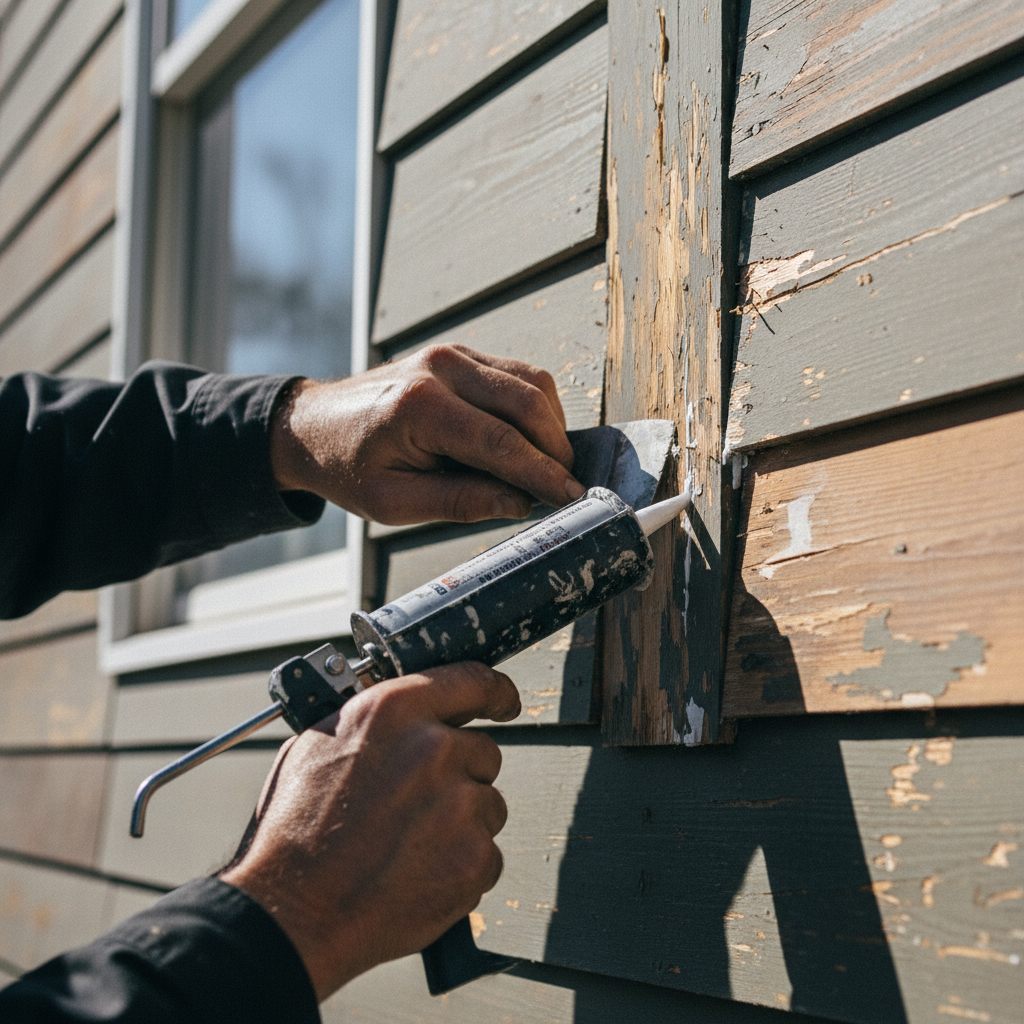
While surface cracks from the freeze thaw cycle are unsightly, the most dangerous issues often hide beneath the aesthetic layer of your decking. Identifying structural failure requires looking past the surface boards to the skeleton of the structure. When homeowners ask how to tell if a deck is unsafe, we recommend looking for these five critical warning signs that indicate a need for professional deck repair Utah services.
Ledger Board Gaps: The ledger board is the horizontal beam that attaches your deck to the house. If you notice a visible gap between this board and your home’s siding, the deck is pulling away. This is the most common cause of catastrophic deck collapse, usually caused by failing fasteners or rot in the house's rim joist.
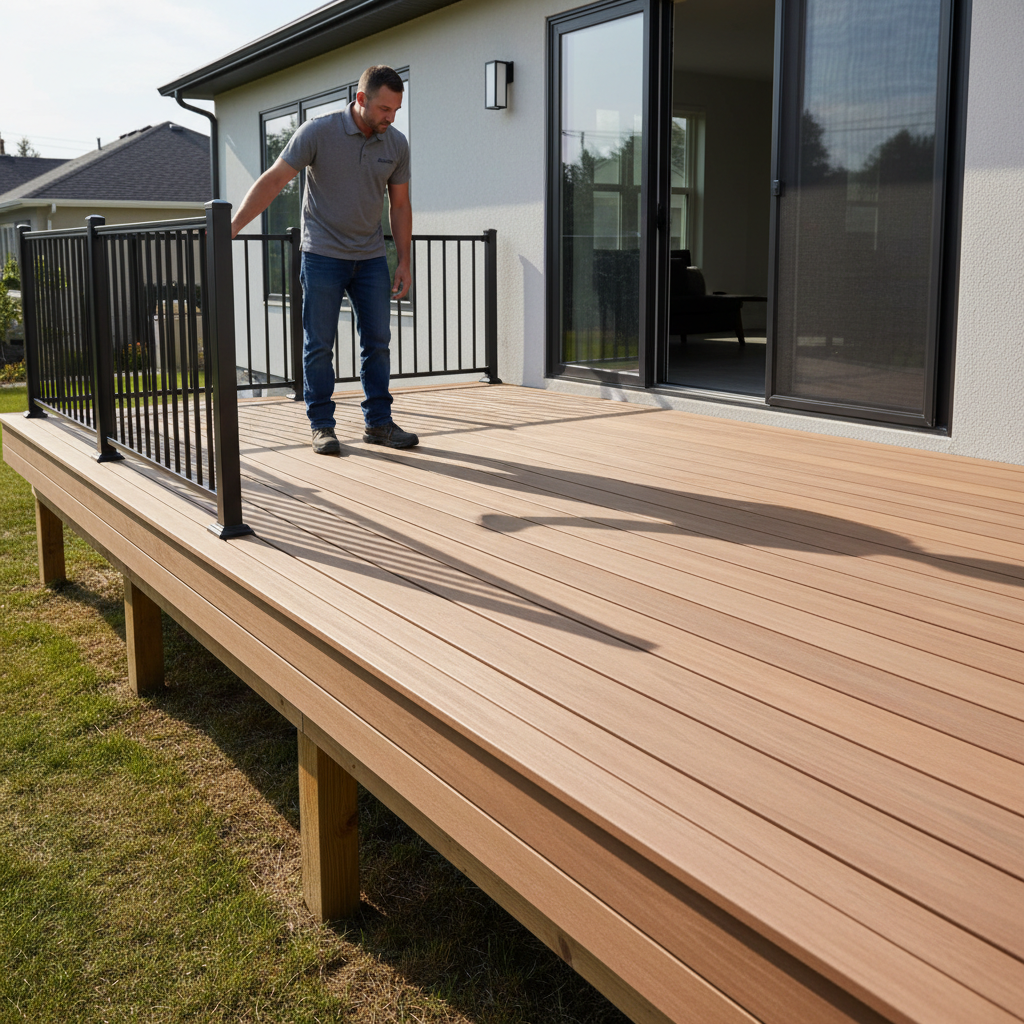
Wobbly Railings: Railings should feel rigid. If there is significant give when you lean against them, the wood at the connection points has likely softened due to rot, or the bolts have corroded. This poses an immediate fall risk, especially for children and pets.
Rusted or Corroded Fasteners: Utah’s winter roads are heavily salted, and that salt is frequently tracked onto decks via boots and pet paws. Over time, salt accelerates the corrosion of galvanized nails and screws. Rusted fasteners lose their grip, compromising the connections between joists and beams.
Post Rot at Ground Level: Inspect the base of your support posts where they meet the concrete or soil. Look for dark discoloration, a musty smell, or wood that feels spongy to the touch. Because moisture stays trapped at the base, these posts often rot from the ground up while the tops look perfectly fine.
Excessive Swaying: A structurally sound deck should not move when you walk across it. If you feel a rhythmic swaying or bouncing, it indicates that the bracing is inadequate or the structural members have lost their integrity.
Surface boards can be replaced easily, but these signs point to deeper issues. If your deck exhibits any of these symptoms, you should contact our team for a deck inspection to ensure the safety of your family. At Gobes Exterior, we provide professional exterior services to identify and rectify these structural vulnerabilities before they lead to failure.
How to Spot Wood Rot: The Screwdriver Test for Homeowners
Identifying structural failure requires a closer look at the physical condition of the timber. Wood rot is often deceptive, manifesting as a slight discoloration before it destroys the load bearing capacity of a beam. In damp, shaded Utah yards, you may notice white rot, a fungus that gives wood a spongy, stringy texture and a bleached appearance. Other indicators include a persistent musty smell near the deck base or dark, water soaked patches that never seem to dry.
To determine if these visual cues signify a structural emergency, you can perform the screwdriver test. This simple diagnostic tool helps homeowners gauge the depth of decay without specialized equipment.
Select a flathead screwdriver and target areas where moisture collects, such as the base of posts, the tops of joists, or near the ledger board.
Press the tip of the screwdriver firmly into the wood.
Evaluate the resistance. In healthy wood, the tip will barely penetrate the surface. If the screwdriver sinks more than a quarter inch into the wood with little resistance, the internal fibers are compromised.
Pay close attention to end grain areas where the wood has been cut, as these act like straws, pulling moisture deep into the member.
If your deck fails this test, the integrity of the structure is at risk. You should contact our team for a deck inspection to determine if a targeted deck repair Utah project can save the structure or if more extensive work is required. Our professional exterior services ensure that localized rot is addressed before it spreads to the rest of the framing.
Critical Deck Joist Repair and Ledger Board Inspection
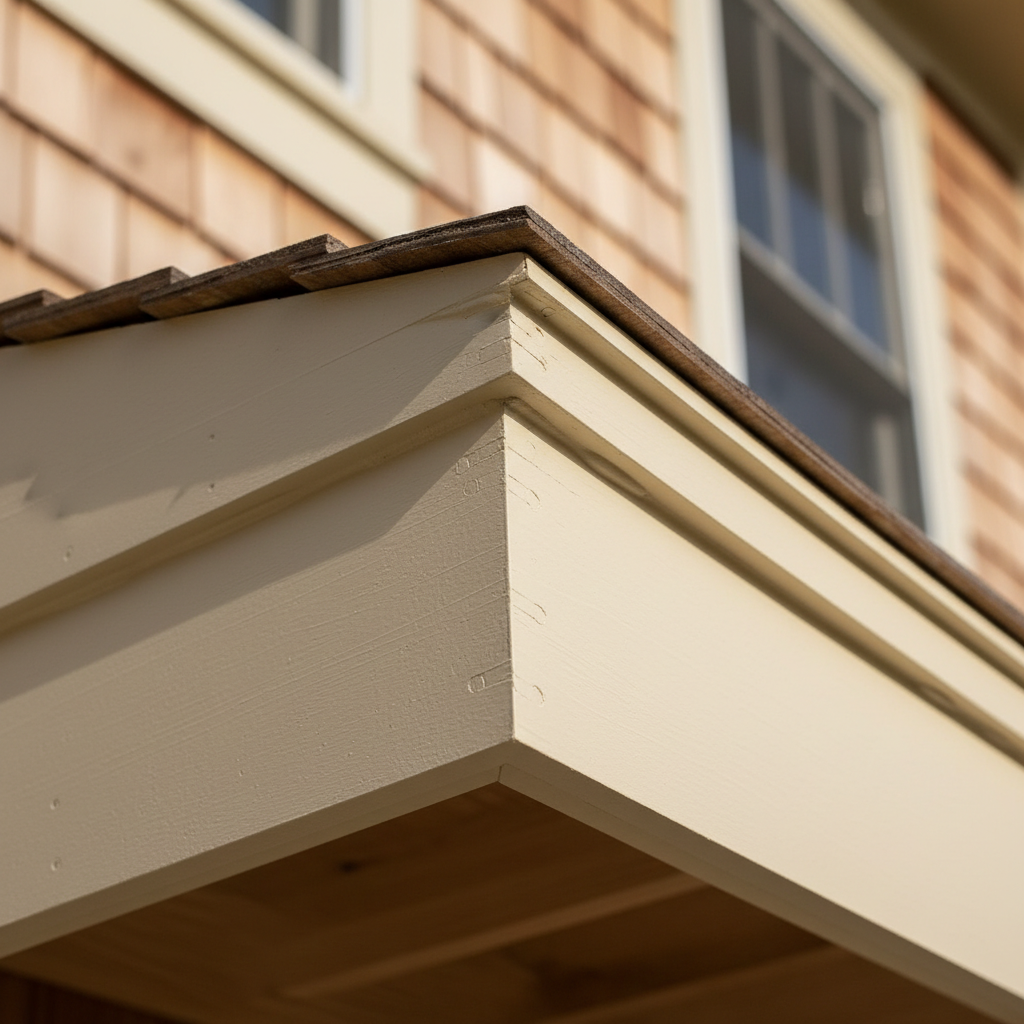
The screwdriver test often reveals that while surface decking remains serviceable, the underlying framing is failing. We consider the joists and ledger board the skeleton of your outdoor space. While aesthetics matter, deck joist repair is inherently more critical than replacing surface boards because these horizontal members bear the entire live load of guests and furniture. When joists lose their structural integrity due to localized rot or moisture traps, the deck’s weight distribution becomes uneven, leading to sagging or catastrophic failure.
A primary point of failure in older Utah residences is the ledger board, the critical connection point where the deck meets the home. In many homes in Fillmore and the surrounding areas built before modern building codes, proper flashing was often overlooked or incorrectly installed. Flashing is the thin layer of metal or waterproof membrane designed to redirect water away from the house. Without it, snowmelt and rain seep behind the ledger, trapping moisture against the home’s rim joist.
This scenario is particularly dangerous because the rim joist is a structural component of your home’s own flooring system. If this wood rots, you are no longer just dealing with a deck repair Utah project; you are facing an expensive structural restoration of the house itself. Our professional exterior services prioritize a thorough inspection of this interface to ensure your home remains protected. If you suspect your ledger flashing is missing or failing, you should contact our team for a deck inspection before seasonal moisture causes irreversible damage to your property's framing.
Average Cost of Deck Repair in Utah: Repair vs. Replace
Assessing the financial side of maintenance requires distinguishing between cosmetic fixes and structural stabilization. For a minor project like replacing a few cracked surface boards, a homeowner might spend a few hundred dollars. However, when the screwdriver test reveals compromised joists or ledger boards, the project scales into a true structural restoration. For significant deck repair Utah projects involving framework reinforcement or post replacement, costs typically range from $1,500 to $5,000 depending on the deck's height and footprint.
We use a specific rule of thumb to help clients decide between a fix and a full overhaul. If more than 20 to 30 percent of the framing or surface area shows signs of rot or structural failure, a complete replacement is usually the smarter investment. While repairs address immediate safety, they do not reset the clock on older, untreated wood. In these cases, upgrading to durable composite materials offers superior resistance to Utah's freeze thaw cycles and intense UV exposure, significantly reducing long term maintenance costs. Our professional exterior services focus on delivering the most cost effective path for your specific property. If you are unsure if your structure is worth saving, contact our team for a deck inspection to get a detailed assessment of your deck's current health and safety.
Utah Winter Deck Maintenance: Shoveling and Salt Dangers
Maintaining a deck in Fillmore requires more than just an annual stain; how you handle snow removal dictates how long the structure lasts. Using a metal bladed shovel is a common mistake that leads to premature deck repair Utah projects. Metal edges easily gouge wood fibers and scrape away protective sealants, creating microscopic entry points where spring melt can settle and rot the boards from the inside out. Use a plastic shovel or one with a rubber leading edge, and push the snow parallel to the deck boards to avoid catching the ends of the wood.
Ice management is equally critical for structural longevity. Standard rock salt, or sodium chloride, is detrimental to both the wood and the hardware. It draws moisture out of the timber, making it brittle, and accelerates the corrosion of the galvanized joist hangers and screws identified in earlier inspections. For Utah’s icy mornings, switch to calcium chloride. It is effective at much lower temperatures and is significantly less corrosive to the metal fasteners holding your deck together. Consistent, proper maintenance prevents the structural degradation that eventually necessitates professional exterior services. If you notice significant surface scarring or hardware corrosion after a heavy winter, you should contact our team for a deck inspection to ensure the integrity of your framing remains intact.
Will Homeowners Insurance Cover a Rotting Deck?
Standard homeowners insurance policies generally exclude wood rot from coverage. These policies are intended for sudden and accidental events, such as a heavy limb falling during a Utah windstorm. Rot, however, is classified as a maintenance issue or wear and tear resulting from gradual moisture exposure. Because insurance companies expect homeowners to mitigate preventable damage, they rarely pay for a deck repair Utah project triggered by neglect.
This financial reality makes preventative professional exterior services a necessity rather than an option. Investing in routine maintenance is the only way to avoid high out of pocket replacement costs. To ensure your structure remains sound, you should contact our team for a deck inspection to identify early signs of decay before they lead to a denied insurance claim and a costly rebuild.
Keeping your deck safe requires a proactive approach to identifying rot and structural weaknesses before they become dangerous. While regular inspections can catch the obvious signs of wear, Utah weather often hides deeper issues within the wood. If you want expert help to ensure your outdoor space remains secure for years to come, feel free to browse our full list of Services. Our team is here to provide the peace of mind that comes with professional care and maintenance.